Best Instant Payout Online Casino Australia 2026
 Available in AU
Table of Contents
- Australian online casino regulation and offshore licences
- Understanding instant payout casinos for Australian players
- Payment methods that deliver instant payouts
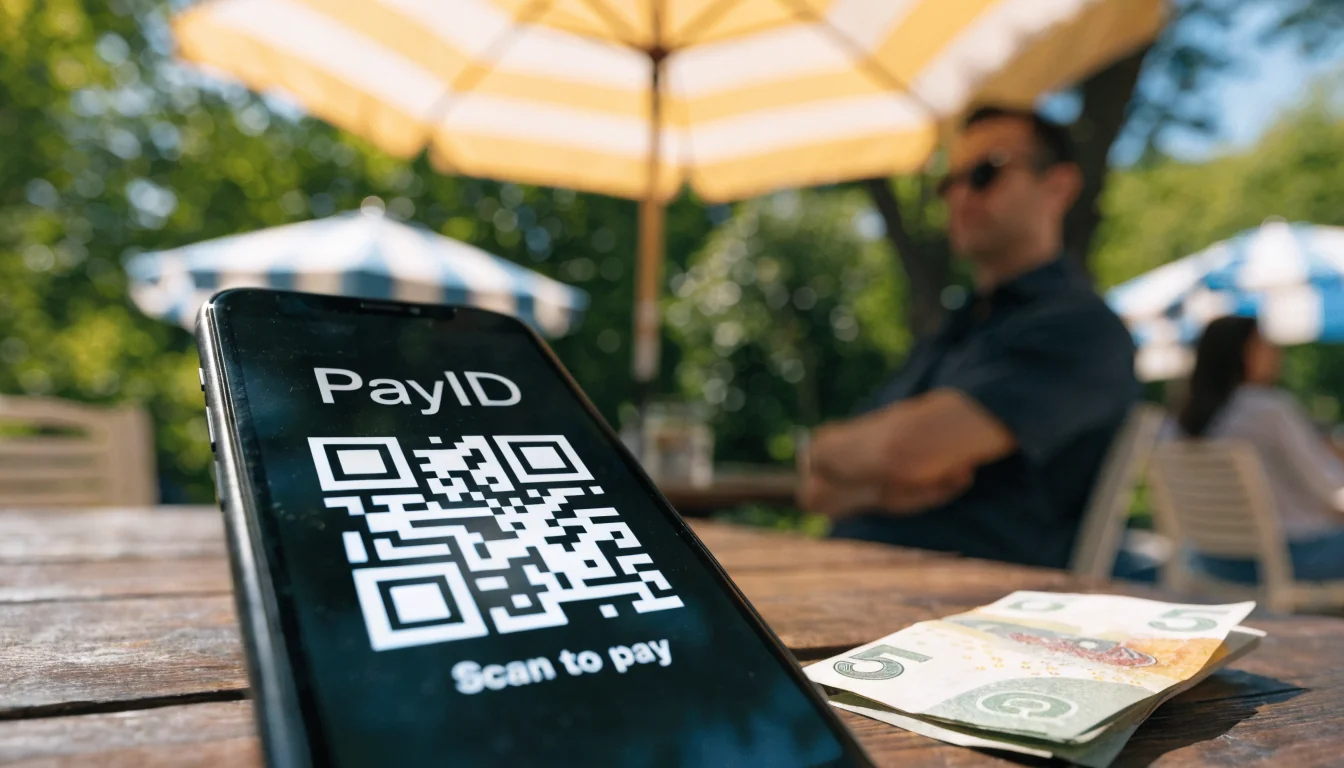
- PayID withdrawals: 2‑4 hour reality
- Bitcoin and crypto casinos offering ultra‑fast payouts
- Crypto‑only casinos and instant withdrawals
- Real‑money instant payout casinos: safety and limits
- No‑deposit instant payout bonuses you can claim now
- Top instant‑payout pokies and slots for Aussie players
- Australian‑focused pokies: libraries and RTP insights
Australian online casino regulation and offshore licences
I spent years watching operators structure their business around one fact: Australia has no domestic real-money casino licence to apply for. Not “hard to get” — nonexistent. Every online casino taking bets from Australian players, no matter how polished the .com.au-sounding branding, is licensed somewhere else entirely.
That’s not a red flag. It’s just how the market works here, and understanding why changes how you read every "licensed and regulated" badge on a casino homepage.
What the Interactive Gambling Act actually does
The Interactive Gambling Act 2001 is the piece of Commonwealth law that shapes all of this. It prohibits Australian companies — domestic operators — from offering online casino services to people living in Australia. Slots, roulette, blackjack, live dealer tables: all off-limits for any business incorporated and operating within the country.
What it doesn’t do is make it illegal for an Australian resident to sit down and play at one of these sites. The Act targets the supply side, not the player. I’ve had this conversation more times than I can count with people convinced they’re doing something illegal by spinning a pokie on their phone after dinner. They’re not. The law was built to stop Australian companies from running the casino, not to stop Australians from finding one.
This is a distinction the industry relies on, and it’s worth sitting with for a second: the operator can’t be Australian, the licence can’t be Australian, but the player doesn’t need to look over their shoulder. It’s a split that makes sense once you’ve seen how the Act was drafted — harm minimisation aimed at supply, not prohibition aimed at demand.


Why every operator is "offshore" by default
Because there’s no local licence to hold, every single casino serving this market operates under an offshore licence. Not some of them. Not the shady ones. All of them. Curaçao eGaming, the Kahnawake Gaming Commission, Gibraltar, the MGA — these are the regulators actually issuing the paper that lets these platforms open their doors to Australian players. Anjouan, part of the Comoros, has also become a common licensing seat for operators chasing lower compliance overhead.
I mention this because "offshore" gets used in casino marketing like it’s a mild inconvenience, a technicality buried somewhere in the footer. It isn’t. It’s the entire legal foundation the business sits on. When a site talks about being "internationally licensed," what that sentence is doing — quietly — is confirming there is no Australian licence, because there couldn’t be one.
None of this makes an operator untrustworthy by definition. Gibraltar and the MGA run genuinely rigorous compliance regimes; Curaçao’s has historically been lighter touch, and Anjouan lighter still. The regulator’s name on the page tells you which rulebook the casino answered to when it was approved — not whether the games are fair on their own. That’s a separate question, usually answered by an independent testing lab rather than the licensing body itself.
What a legitimate offshore licence should show you
Since there’s no Australian register to check a casino against — there simply isn’t one, so don’t go looking — the licence disclosure itself has to do the work. A casino operating honestly in this space should show, without digging:
- The licence holder — the actual corporate entity, not just a brand name.
- The regulator — Curaçao eGaming, Gibraltar, the MGA, Kahnawake, or Anjouan, named specifically.
- The licence number — a reference you could, in theory, trace back to that regulator’s own listings.
If a site doesn’t name any of the three, that’s not caution talking, that’s the absence of a fact you need. I treat a missing licence number the same way I’d treat a missing ABN on an Australian invoice — not fatal on its own, but not something to wave past either.
The part nobody puts on the homepage
Here’s the mechanic that rarely gets said out loud: offshore licensing is also what makes instant payout casinos possible in the form Australian players actually want. A Curaçao or Anjouan-licensed operator isn’t running its payment rails through the local banking compliance layer a domestically licensed business would need to satisfy. That’s part of why PayID transfers, crypto withdrawals and other fast-moving methods slot into these platforms so easily — there’s less institutional friction sitting between the casino’s payment processor and the player’s bank.
Convenient. Also worth knowing exactly why it’s convenient.
Regulatory risk
Offshore operators are not overseen by any Australian regulator, so any dispute must be resolved in the licence‑issuing jurisdiction, which may offer limited protection for players.
None of this changes the legal picture for the player. Going to an offshore-licensed site to withdraw a win through PayID isn’t a grey-area move — it’s the only structure this market has ever offered, because a locally licensed alternative was never legally allowed to exist. The Act made that decision in 2001, not the casino, and not the player choosing where to spend their Friday night.
What this means for choosing where to play
Given all of this, "is it legal" is the wrong first question — the answer is yes, for the player, always, as long as the site isn’t running some other kind of scam entirely. The better questions are the ones the licence disclosure is supposed to answer: who actually holds this licence, which regulator issued it, and can that number be matched against anything real.
I look at licensing the way I look at a used car’s service history — not proof the thing runs perfectly, but proof someone was willing to put their name on it. A casino that names its regulator and licence number in plain text is telling you it expects to be checked. One that doesn’t is telling you something too.
The regulatory reality — no domestic licence, all operators offshore, players unaffected legally — is the backdrop for everything else in this guide: which payment methods actually move money fast, which bonuses are worth claiming, and which pokies are worth your time. It’s not a warning label. It’s just the shape of the market as it exists in 2026, and it’s not changing anytime soon.
Understanding instant payout casinos for Australian players
An instant payout casino is simply an operator that gets money back into your account fast enough that “processing time” stops being something you think about. Not next week. Not “3-5 business days” that somehow becomes nine. The withdrawal request goes in, and the funds show up while the win is still fresh.
That definition sounds simple, but the industry spent years training players to accept the opposite. I’ve sat in on operator meetings where withdrawal delays were discussed as a retention tool, not a technical limitation. Slow payouts keep balances sitting in the account. A player who has to wait three days for a withdrawal is a player who might just keep playing instead. So when a casino markets itself as "instant," it’s worth asking what it’s actually promising, because the word gets used loosely.
PayID withdrawals are typically reported to take 2–4 hours, although some operators claim sub‑hour times for verified players. Both figures appear in industry sources, so the faster claim should be treated as best‑case rather than the norm.
What actually counts as instant
There’s no single industry standard for the term, and that’s the first thing to understand. What one operator calls instant, another calls same-day, and a third calls priority processing with a fee attached. In practice, "instant" at a legitimate offshore casino usually means one of these:
- Crypto withdrawals — often processed within an hour once approved, because there’s no intermediary bank sitting between the casino and the player’s wallet.
- PayID transfers — typically move within 2-4 hours after approval, though this figure comes from one industry review of top-rated operators rather than a fixed rule that applies everywhere. Another source describes verified players receiving PayID withdrawals in under an hour. Both claims exist in circulation, and they don’t fully agree — which is a fair warning that “instant” is a marketing word before it’s a measured one.
- Card and bank transfers — the older standard, still common, and still the slowest of the three by a wide margin.
The gap between these methods is the whole reason "instant payout casino" exists as a category separate from "online casino." A standard operator might offer all three payment rails and let the player figure out which one is fast. An instant payout casino builds its processing systems, KYC checks, and staffing around getting the fast rails cleared quickly — because that’s the entire pitch.
Why the wait matters more than it sounds
Fast withdrawals get talked about like a convenience feature. It’s more than that. A withdrawal delay is the moment a player finds out whether the casino they chose actually respects the money as theirs once they’ve won it. I’ve watched operators approve deposits in seconds and then sit on withdrawal requests for days under vague "security review" labels that were never applied to the deposit going in the other direction. That asymmetry tells you something about priorities.
There’s also a practical safety angle that gets ignored in most casino marketing. A player who’s waiting on a slow withdrawal is a player sitting in front of an active account balance, which is exactly the condition that makes it easiest to keep playing rather than walk away with a win banked. Fast, predictable payouts remove that pressure. The money leaves the casino’s ecosystem and becomes the player’s again — in their bank app, their crypto wallet, wherever they intended it to go.


None of this means fast payouts are risk-free by default, or that speed alone makes an operator trustworthy. A crypto-only site can process withdrawals in an hour and still be built on unfair terms elsewhere — wagering requirements buried in fine print, verification demands that surface only after a big win. Speed is one measurable thing among several that matter. It’s just the one players notice first, because it’s the one they feel in real time.
How this differs from a standard online casino
A standard online casino isn’t necessarily dishonest about payout times — most disclose a processing window somewhere in their terms. The difference is architecture, not intent. Standard operators typically run all withdrawals through the same manual review queue regardless of method, batch-process at set times of day, and treat every payout request — $50 or $5,000 — with the same fixed turnaround. That’s manageable for a casino’s back office. It’s frustrating for a player who picked a fast payment method specifically to avoid the wait.
Why standard casinos are slower
Standard online casinos process all withdrawals through a single batch queue, regardless of the payment method. This uniform approach simplifies back‑office work but often adds hours or days to the payout timeline, especially for fiat transfers.
Instant payout casinos build separate, faster paths for the payment methods capable of supporting them. Once identity verification is complete — and it has to be complete before that first withdrawal is even considered, regardless of how fast the method is — a PayID or crypto withdrawal can skip the slower batch process entirely and clear on its own schedule. The player still goes through the same document checks as anyone else. What changes is what happens after the checks are done.
This is also where the offshore licensing reality from earlier in this guide connects directly to payout speed. Every operator serving Australian players holds a licence from somewhere other than Australia — Curaçao, Gibraltar, Malta, Kahnawake, or similar jurisdictions — and those regulators don’t set uniform payout-speed rules the way, say, a banking regulator might. So payout speed becomes a competitive feature operators choose to build, rather than a baseline every offshore licence guarantees. Some invest in it. Others don’t bother, and their withdrawal terms show it.
The scale behind the shift
Australian online gambling activity isn’t a niche corner of the market — one industry estimate puts total annual online gambling revenue in the country at $7.2 billion for 2026, spread across offshore casino platforms since no domestic real-money licence exists for this kind of gambling. At that volume, payout speed stops being a nice-to-have feature buried in an FAQ page. It’s become one of the main things operators compete on, alongside game libraries and bonus structures, because players comparing dozens of offshore sites have learned to check withdrawal terms before they check anything else.

The rest of this guide breaks down exactly which payment methods deliver on the "instant" promise, and which ones just borrow the word.
Payment methods that deliver instant payouts
Not every payment option marketed as "fast" behaves the same way once a withdrawal request actually hits the queue. The gap between methods is where most of the frustration lives.
PayID sits at the top of the list for Australian players, and for good reason: it’s built on the same rails as domestic bank transfers, just routed through a phone number or email instead of BSB and account digits. One industry roundup pegs typical PayID withdrawal windows at up to 24 hours, often landing in the 2–4 hour range. A separate source claims verified players can see payouts clear in under an hour. Both can’t be the market norm at once — the honest read is that PayID speed depends heavily on the operator’s internal verification queue, not just the rail itself.
POLi doesn’t belong in this comparison for Australian casino players. The service shut down in 2022, and any casino still advertising it as a payment option is either outdated or not paying attention to its own site.
POLi no longer available
The POLi service was shut down in 2022; any casino still listing it is either using outdated information or neglecting to keep its payment options current.
Where crypto fits
Cryptocurrency withdrawals are consistently the fastest option on offer, often clearing within an hour once a withdrawal is approved. The reason is structural, not marketing: crypto transactions confirm on a blockchain rather than through a banking intermediary, so there’s no overnight cut-off, no "next business day" clause hiding in the terms. I’ve watched a Bitcoin withdrawal move from "pending" to wallet balance faster than the confirmation email arrived.
Apple Pay’s growing role
Apple Pay is showing up more often at operators chasing the Australian mobile audience, and one industry source lists it as increasingly available for instant deposits at trusted sites. Worth noting: that’s a deposit story, not a withdrawal one. Nobody pays out to Apple Pay — it’s a one-way door in.
A quick side-by-side
| Method | Typical use | Speed profile |
|---|---|---|
| PayID | Deposits and withdrawals | Fast, but reported ranges vary by source |
| Crypto | Deposits and withdrawals | Consistently fastest, often under an hour |
| Apple Pay | Deposits only | Instant in, no role in payouts |
| POLi | None | Defunct, shouldn’t appear on any current site |
What ties the fast options together isn’t the brand name on the button. It’s whether the method skips a manual bank-to-bank step. PayID and crypto both do. Apple Pay speeds up the deposit side of the equation without touching the part players actually care about — getting paid.
No PayPal here either. It doesn’t support offshore gambling transactions for Australian users, whatever a casino’s marketing page might imply.
PayID withdrawals: 2‑4 hour reality
PayID keeps coming up as the payout method Australian players actually trust, and the reason is simple: it settles fast enough that "instant" doesn’t feel like marketing copy. Withdrawal requests tied to a PayID move through the same rails as a regular bank transfer between Australian accounts — no card networks, no currency conversion, no waiting for an intermediary to clear something offshore.
The number worth remembering is 2–4 hours. That’s the window one industry review found when it looked at withdrawal speeds across top‑rated Australian‑facing casinos, and it lines up with what most players report once identity checks are already done. A casino’s own terms will sometimes promise something faster — under an hour for verified players, according to some operator claims — and there’s no clean way to reconcile the two. Treat the shorter figure as the best case, not the baseline.
What actually moves the number is verification status. Accounts that cleared KYC before the withdrawal request tend to sit at the fast end. Accounts still waiting on document checks don’t get PayID speed at all — they get queue speed, regardless of the payment rail underneath.
Slow.
Bitcoin and crypto casinos offering ultra‑fast payouts
Bitcoin sits at the fast end of the payout spectrum, and once you’ve withdrawn through it, going back to PayID feels sluggish. Where PayID runs on a two‑to‑four hour cycle even at its best, crypto withdrawals often clear within an hour. No bank sitting in the middle, no business‑hours cutoff, no queue behind other players’ requests.
Crypto withdrawals frequently clear within an hour once approved, making them the quickest payout option available on offshore platforms.
The mechanics explain the speed. A blockchain transaction doesn’t route through a domestic banking rail — it moves peer to peer, confirmed by the network rather than a compliance officer checking a batch file. That’s the entire advantage in one sentence. Everything else is marketing dressing.
Worth being clear on what this isn’t. A casino accepting Bitcoin isn’t operating under some special Australian arrangement — it’s still an offshore operator, same as every other real‑money site available to Australian players. There’s no domestic licence for online casino gambling, crypto or otherwise, and there never has been. What changes with Bitcoin is the payment rail, not the legal footing. Playing at one is no more or less lawful than playing at a casino that only takes PayID — the law targets the operator, not the player, and that hasn’t shifted just because the deposit method has.
Where the speed actually shows up
- Withdrawal confirmation — often within an hour, network conditions permitting.
- No banking‑hours dependency — the blockchain doesn’t observe a weekend.
- No currency conversion step — the wallet balance is the payout, nothing sits between the two.
That last point matters more than it sounds. A PayID withdrawal still passes through an internal ledger before it hits a bank account. A crypto withdrawal skips that step entirely — the casino sends, the wallet receives. Fewer hops, fewer places for a delay to creep in.
None of this means every crypto casino pays out at the same speed. Processing time depends on the operator’s own internal review before the transaction is even broadcast — verification, balance checks, the usual back‑office friction. The blockchain part is fast. The part before the blockchain part is still run by people, and people are the variable that decides whether "within the hour" means forty minutes or four.
Anjouan and Curaçao eGaming licences turn up often on crypto‑friendly platforms — worth checking which one is actually named on the casino’s own page rather than assumed from the payment menu.
Crypto‑only casinos and instant withdrawals
A crypto‑only casino skips fiat entirely. No AUD wallet, no PayID field on the cashier page — deposits and withdrawals move only in Bitcoin, Ethereum or whatever coins the platform lists. That narrows the audience, but for the players who already hold crypto, it removes a step that slows everything else down: the conversion.
Standard offshore casinos convert your Bitcoin balance to AUD internally before it ever touches your bank. Crypto‑only sites don’t bother — the balance stays in crypto from deposit to withdrawal, which is part of why the payout itself clears faster. Withdrawals are among the fastest available anywhere, often settling within an hour once approved.
The "once approved" part still matters. Crypto‑only doesn’t mean KYC‑free. Verification happens the same way it does everywhere else — the speed advantage sits entirely in the payment rail, not in how quickly a compliance team looks at your documents.
Coin Casino runs this model: crypto in, crypto out, no fiat cashier at all. Crownplay takes a hybrid approach — crypto sits alongside conventional methods rather than replacing them, so the instant‑withdrawal advantage only kicks in if you actually deposit and cash out in coin.
KYC still required
Even crypto‑only casinos enforce identity verification before the first withdrawal, so the speed advantage applies only after KYC is completed.
Worth being blunt about one thing: PayID and similar instant‑processing rails exist for a reason too, and one industry review rates their processing speed as comparable for deposits and withdrawals alike. Crypto isn’t the only fast lane, just the one that doesn’t touch a bank at all.
Choosing crypto‑only over a hybrid site is really a question of what you’re already holding. If there’s no crypto in your wallet to begin with, the speed advantage is theoretical until you buy some first.
Real‑money instant payout casinos: safety and limits
Real money is exactly what’s at stake here, so the safety question isn’t academic. No Australian regulator issues a licence for this activity — there’s no local body to complain to, no domestic register to check an operator against. The safety net is entirely offshore: Curaçao eGaming, Gibraltar, the MGA, Kahnawake, or Anjouan, each with different enforcement teeth. A casino advertising "instant payouts" without naming which of these holds its licence and what number that licence carries is asking for trust it hasn’t earned.
The legal position for the player is simple and worth repeating plainly: the Interactive Gambling Act 2001 stops Australian companies from running online casino services onto Australian soil. It says nothing that makes it illegal for someone in Sydney or Perth to open an account with an offshore operator. The Act was built to squeeze local supply, not to punish demand. That gap is why every real‑money casino serving this market is, by definition, an offshore operator — not a workaround, not a grey area, just how the market is structured.
Inside that structure, spending patterns are more modest than the marketing suggests. According to one industry review, the average monthly deposit among active Australian online casino players in 2026 sits at $127. That’s not a whale’s budget — it’s closer to what someone spends on a modest weekly outing, spread across a month. Anyone depositing well beyond that figure regularly is playing outside the norm, not inside it.
The scale of the market itself is the part operators like to gesture at without detail. Annual Australian online gambling revenue for 2026 is put at $7.2 billion by the same kind of industry source — a number that says more about aggregate turnover than about any individual’s odds. A big market doesn’t make a small deposit safer, and it doesn’t make a withdrawal faster. Those two things depend on the operator’s own terms, its KYC process, and whether the payout methods it lists — PayID, crypto — actually work the way the front page claims.
Big numbers, small print.
No‑deposit instant payout bonuses you can claim now
A no‑deposit bonus that pays out slowly isn’t really an instant payout offer, whatever the landing page calls it. The bonus terms and the withdrawal method have to line up, and that’s the part most promo banners skip.
Industry data shows the average monthly deposit for active Australian players in 2026 is about $127, highlighting that most users gamble modestly.
The mechanics are simple enough. A casino credits a small amount or a set of free spins on signup, verification is required before any of it becomes cashable, and then the withdrawal runs through whatever payment rail the account has attached. This is where PayID matters again — not because it’s tied to the bonus itself, but because it’s the fastest exit once the bonus winnings clear.
There’s a wrinkle worth stating plainly rather than smoothing over. PayID withdrawals are generally described as landing within 2–4 hours, sometimes stretching toward 24. But one operator’s own terms claim under an hour for verified players. Both figures come from real sources, they just don’t agree, and no honest article picks one to sound more confident.
What actually determines whether a no‑deposit bonus pays out fast:
- Verification status — KYC has to be completed before the first withdrawal request, bonus or not.
- Payment method on file — PayID processes faster than a card refund or a bank transfer.
- Wagering completed on the bonus — the withdrawal clock doesn’t start until the requirement is cleared.
None of this is unique to no‑deposit offers. It’s the same instant payout plumbing described earlier in this piece, just applied to house money instead of a deposit. The bonus is the hook. The payout speed depends entirely on the payment method sitting underneath it.
"Instant" on a bonus banner means nothing until the withdrawal method is named. Check that first.
Top instant‑payout pokies and slots for Aussie players
If getting your winnings back fast matters as much as the games themselves, it pays to check how each casino actually handles withdrawals before you sign up.
License: international iGaming licence – jurisdiction not named in the source · Bonus: 100% up to A$1,000 + 100 free spins, 35x wagering · Payout speed: PayID 1-24 hours · Min. deposit: A$30 (PayID from A$10) House of Pokies backs its welcome package with quick PayID withdrawals processed within a day, and a low minimum deposit via PayID makes it easy to get started.
License: Curacao – Antillephone N.V. (Versus Odds B.V.) · Bonus: up to EUR 2,000 across 5 deposits + 200 free spins · Min. deposit: EUR 20 Thor Casino operates under a Curacao licence and spreads a sizeable welcome package across several deposits, giving new players room to build up their bankroll gradually.
License: Curacao eGaming OGL/2023/174/0082 (Dama N.V.) · Bonus: up to A$10,000 + 500 free spins across 4 deposits · Min. deposit: A$15 LevelUp Casino holds a Curacao eGaming licence and offers one of the larger multi-deposit welcome packages on this list, paired with a low minimum deposit requirement.
Bonus: up to A$7,500 + 550 free spins across 10 deposits, 50x wagering · Payout speed: crypto under 1 hour, PayID 1-3 business days · Min. deposit: A$20 (A$30 to qualify for the bonus) Ricky Casino stands out for payout speed, with crypto withdrawals typically clearing in under an hour and PayID processed within a few business days, alongside a generous multi-deposit bonus.
Bonus: 100% up to A$750 + 200 free spins, 35x wagering · Payout speed: crypto 30-120 minutes, fiat 24-72 hours · Min. deposit: A$30 MrPacho combines a solid welcome bonus with fast crypto payouts, usually settled within a couple of hours, plus fiat withdrawals processed in a day or so.
License: Curacao Gaming Control Board OGL/2023/176/0095 (Hollycorn N.V.) · Bonus: up to A$11,000 + 300 free spins (code NEO100) Neospin is licensed by the Curacao Gaming Control Board and offers a large welcome bonus unlockable with a bonus code, appealing to players chasing bigger sign-up value.
License: Curacao Gaming Control Board (TechSolutions Group N.V.) · Bonus: 100% up to A$250 + 100 free spins (1st deposit) Bizzo Casino is Curacao-licensed and keeps its first-deposit bonus straightforward and modest, suited to players who prefer a simpler entry offer.
License: Curacao Gaming Authority (Jumpman Gaming Ltd) · Bonus: up to A$6,600 + up to 250 free spins across 4 deposits DragonSlots Casino, licensed under the Curacao Gaming Authority, spreads a substantial bonus package with free spins across multiple deposits for extended value.
License: Curacao OGL/2024/1335/0780 · Bonus: up to A$1,000 + 150 free spins, wager-free · Min. deposit: EUR 20 Vegaz Casino holds a Curacao licence and offers a wager-free welcome bonus, a notable perk for players wary of demanding playthrough conditions.
License: Curacao eGaming (Hollycorn N.V., since 2017) · Bonus: 225% up to A$1,540 + 600 free spins across 4 deposits, 20x wagering · Min. deposit: A$20-30 (depends on the offer) Playfina Casino, licensed by Curacao eGaming since 2017, offers a high-percentage welcome package spread across several deposits with comparatively low wagering requirements.
A fast withdrawal method is only half the equation. The other half is what happens on the reels before you hit that "cash out" button — because volatility decides whether your balance moves in small steady steps or sits still for twenty minutes and then jumps.
Volatility is the word operators avoid explaining properly, so here’s the plain version. High‑volatility pokies, the Lightning Link family being the textbook case, pay out rarely but big when they do. That’s fine if your bankroll can absorb a long dry stretch. Low‑volatility titles pay smaller amounts more often, which suits players who want the session itself, not the jackpot, to be the point. Neither is "better" — they’re built for different tolerances, and any site that tells you otherwise is selling, not informing.
RTP is the other number worth knowing before you pick a title, because it’s printed on the game’s info screen whether you look or not. Anything below 94% is below average and, frankly, not worth your time when better options sit one click away. The pokies that actually earn a spot on an instant‑payout shortlist tend to run between 95% and 97% — high enough that the house edge stops dominating every short session.
Titles worth checking for yourself
Two examples illustrate the spread:
- Big Red — RTP of 97.04%, sitting comfortably in the range that makes a session worth playing rather than just watching.
- Book of 99 — RTP of 99%, about as tight as the math gets on a modern online pokie.
Both numbers come straight off the game’s published RTP, not a marketing page, so they’re worth confirming yourself in the info panel before you commit a deposit — RTP figures can vary slightly between studios’ builds of a title.
Matching the game to the payout method
None of this matters if the casino sitting behind the pokie can’t pay out fast. A 99% RTP title feels meaningless if the withdrawal queue is the same five‑day mess you’d get anywhere else. The instant‑payout casinos worth bothering with pair a tight RTP catalogue with PayID or crypto rails on the cashier page — check both before registering, not after you’ve already deposited.
Volatility also interacts with withdrawal speed in a way rarely mentioned. A high‑volatility win tends to be a large, single amount — exactly the kind of withdrawal that gets flagged for extra checks at operators without proper KYC already sorted. Getting identity verification done before you ever spin a high‑volatility title, not after a big win lands, is the difference between an instant payout and a three‑day interrogation.
What I look for on a pokies page
- RTP stated clearly on the game info screen, not buried in a PDF somewhere.
- A volatility label (low, medium, high) rather than vague talk of “big win potential.”
- A provider name I recognise, since that’s usually a decent proxy for how tested the RNG actually is.
- No pressure language pushing bigger bets to “unlock” better odds — that’s not how RTP works, and any pokie claiming otherwise is lying by implication.
One thing worth saying plainly: no pokie, whatever its RTP, is a way to make money. The maths guarantees the house edge over time regardless of the individual session outcome, and treating a high‑RTP title as an income strategy is the fastest way to turn a fun hour into a bad night. RTP tells you how the game behaves over millions of spins — it says nothing about what happens on your particular Tuesday evening.
The practical takeaway: pick titles in the 95–97% band if you want your money to last through the session, know whether you’re playing high or low volatility before you start, and only care about instant payouts once you’ve actually got something to withdraw.
Australian‑focused pokies: libraries and RTP insights
A library only matters if it’s stocked with games that feel local. Pokies built around Aristocrat’s design language — the reel sounds, the bonus structures Australians grew up with in pubs and clubs — sit differently than a generic European slot catalogue with a kangaroo skin slapped on top.
Library size can change quickly
Reports of casino libraries containing over 1,500 titles are snapshots; new releases and removals mean any specific count becomes outdated within months.
By one industry review’s count, Joe Fortune carries the most extensive Australian‑flavoured pokies library among offshore operators, including titles licensed as Aristocrat exclusives. That’s a specific claim from a specific source, not an industry consensus — nobody audits "most Australian" the way they audit RTP. Treat it as one data point, not a ranking.
The same review noted that Jackpot City and Joe Fortune update their catalogues aggressively, with libraries running past 1,500 titles and new releases landing weekly. Again — one source, one snapshot. Libraries this size change fast enough that any number printed today is stale within months. What doesn’t change as fast is the RTP band a title was certified at.
What to actually check before playing
- Whether the library lists RTP per game, not just as a marketing average.
- Whether Aristocrat or Australian‑style titles are tagged separately or buried in a generic “slots” category.
- Whether “new this week” actually means new, or a re‑skin of an existing engine.
None of this replaces checking the payment side. A library full of Aristocrat exclusives is worth nothing if the cashier page doesn’t run PayID. Speed of withdrawal and depth of catalogue are sold together in marketing copy — they’re decided by two completely different teams inside the operator, and one has nothing to do with the other.
Pick the catalogue for the games. Pick the operator for the payout.
Is playing at an offshore casino illegal in Australia?
No, it is not illegal for an Australian resident to play at an offshore-licensed online casino. The Interactive Gambling Act 2001 targets operators, not players — it prohibits Australian companies from offering online casino services, but does not criminalise individuals who play.
What payment methods are available for Australian players at online casinos?
Australian players commonly use PayID and POLi for instant deposits and withdrawals, cryptocurrency for fast cashouts, and Apple Pay, which is increasingly available for instant deposits at trusted Australian online casinos.
How long do withdrawals take at online casinos?
PayID withdrawals are typically processed within 24 hours, often in just 2–4 hours at top-rated Australian online casinos. Cryptocurrency withdrawals are among the fastest, often completing within an hour.
What are the typical withdrawal times for crypto casinos?
Crypto withdrawals are among the fastest available, often processed within an hour, partly because offshore-licensed operators avoid the local banking compliance layer that slows down traditional transfers.
Can I play on an Australian online casino on mobile?
Yes — over 70% of Australian online casino sessions occur on mobile devices, and the average regular player spends about 2.3 hours a week on online pokies.
Published by the Casino Cities Guide team.