Best Casino in Tasmania: Wrest Point and Country Club Guide
 Available in AU
Table of Contents
- Casino Hotels in Tasmania
- Poker Rooms and Gaming Areas
- Parking and Accessibility at Tasmanian Casinos
- Nearby Accommodation Options
- Contact Details and Customer Service Channels
- Buffet Offerings and Employment Opportunities
- Operating Hours and Seasonal Openings
- Casino Restaurants and Dining Choices
- Spa and Wellness Facilities at Casinos
- Food Courts and Pool Areas
Casino Hotels in Tasmania
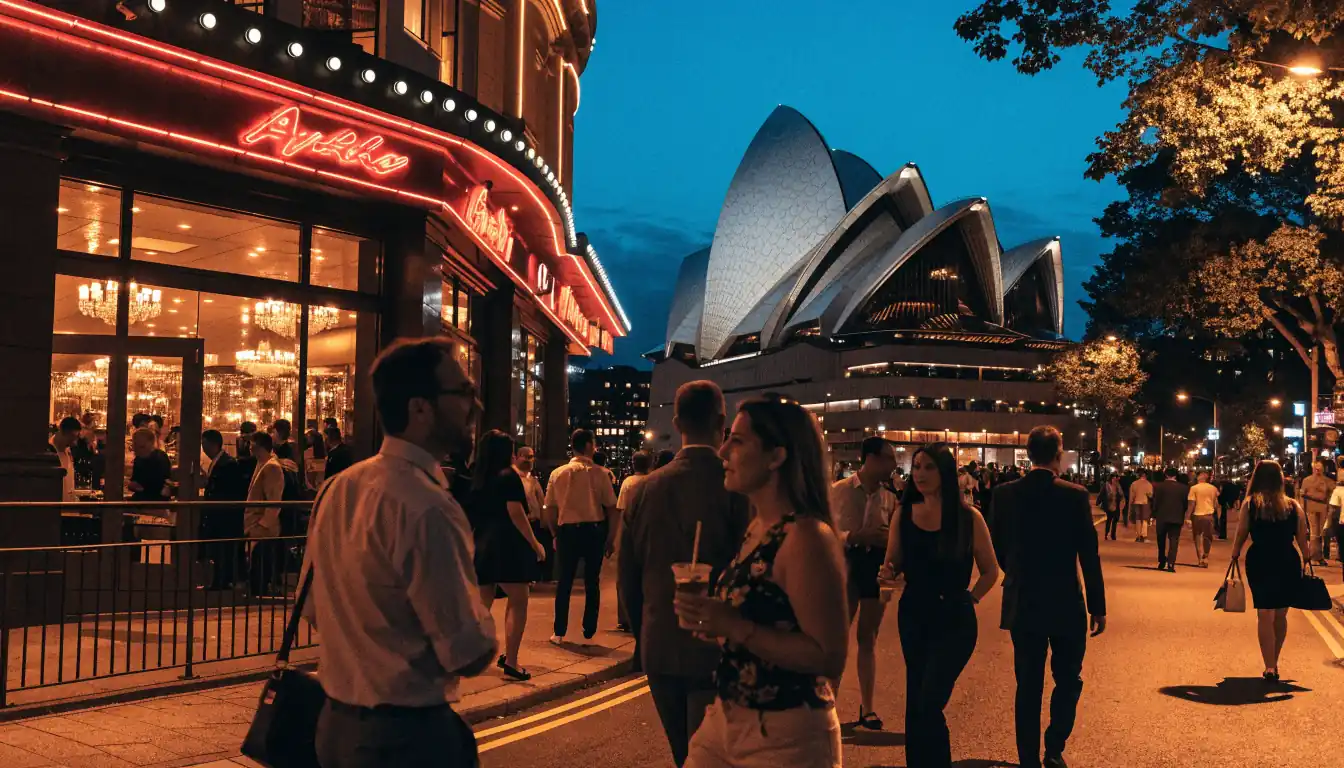
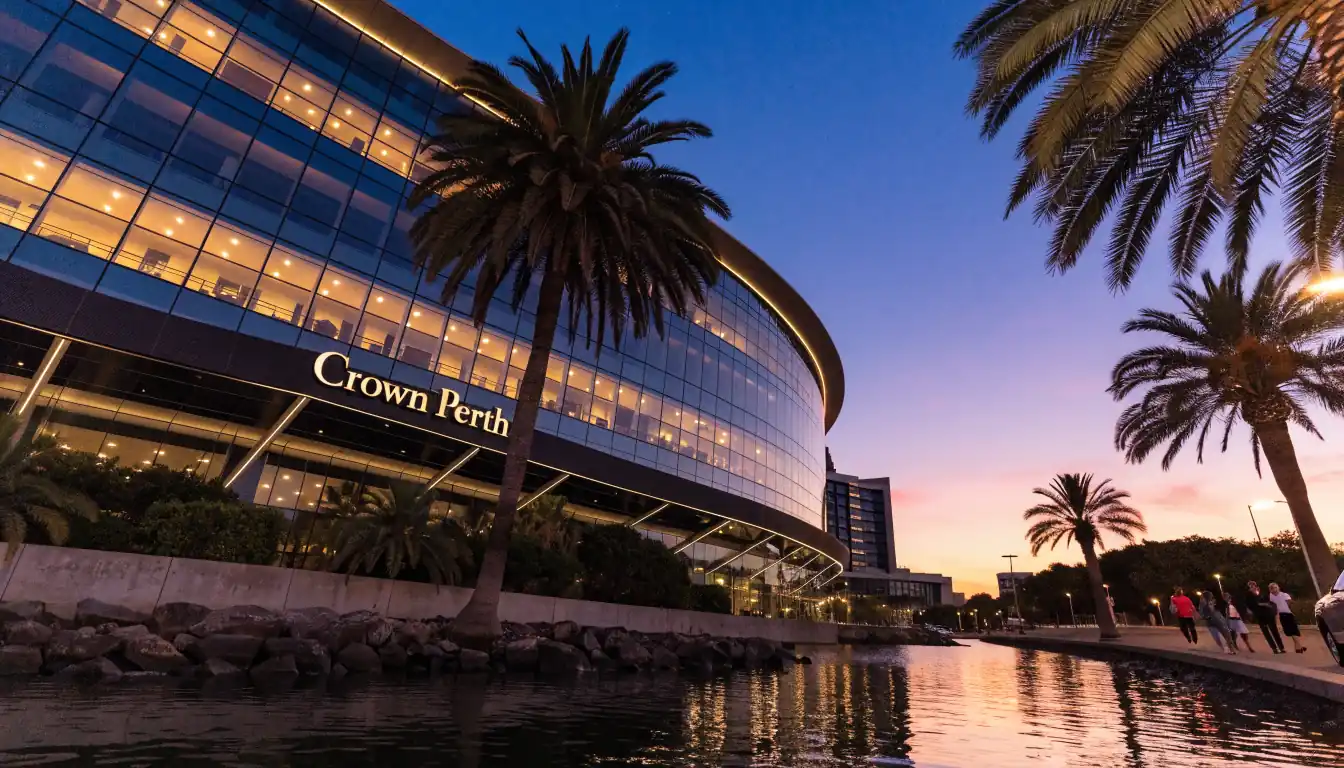
Tasmania’s two casino properties — Wrest Point in Hobart and Country Club Tasmania in Launceston — both grew hotel towers around their gaming floors rather than the other way around. That order matters. A stand-alone hotel that added a few poker machines later feels different from a building designed so the lift from your room drops you straight onto the casino floor. Whether that’s convenient or a design trap depends on why you’re there.
The "resort" label gets used loosely across Tasmanian tourism marketing, so it’s worth being blunt: an on-site casino hotel is, functionally, accommodation built to keep you inside the building. Room stock is tiered the way most mid-size hotels are — standard rooms, upgraded views, and a handful of suites — with the casino tower rooms generally sitting closer to the gaming and entertainment areas than anything you’d find in the surrounding suburb. That proximity is the entire pitch. You’re paying partly for the walk, or the absence of one.
What actually differs from stand-alone lodging
Three things separate an attached casino hotel from a hotel that simply sits nearby:
- Direct floor access. No taxi, no walk through weather, no closing hours to work around before you’re back on the gaming floor.
- Bundled loyalty perks. Casino hotels tie room rates and occasional upgrades to the venue’s own player programs, which stand-alone hotels have no reason to offer.
- Noise and light exposure. Rooms closer to the casino core inherit some of its energy — later foot traffic, ambient sound from bars and gaming areas — something a hotel three streets away simply doesn’t have to manage.
Since online casinos aren’t licensed within Tasmania itself, players there typically rely on internationally licensed operators — so it pays to check licensing, bonus terms, and payout speeds before signing up.
License: international iGaming licence – jurisdiction not named in the source · Bonus: 100% up to A$1,000 + 100 free spins, 35x wagering · Payout speed: PayID 1-24 hours · Min. deposit: A$30 (PayID from A$10) Holds an international iGaming licence and pairs a solid welcome bonus with fast PayID withdrawals, plus a low minimum deposit via PayID.
License: Curacao – Antillephone N.V. (Versus Odds B.V.) · Bonus: up to EUR 2,000 across 5 deposits + 200 free spins · Min. deposit: EUR 20 Licensed in Curacao and offers a substantial welcome package spread across multiple deposits, with an accessible minimum deposit requirement.
License: Curacao eGaming OGL/2023/174/0082 (Dama N.V.) · Bonus: up to A$10,000 + 500 free spins across 4 deposits · Min. deposit: A$15 Curacao-licensed under Dama N.V., with a large multi-deposit welcome bonus and a low minimum deposit to get started.
Bonus: up to A$7,500 + 550 free spins across 10 deposits, 50x wagering · Payout speed: crypto under 1 hour, PayID 1-3 business days · Min. deposit: A$20 (A$30 to qualify for the bonus) Offers an extensive welcome bonus spread across ten deposits, with quick crypto payouts and PayID withdrawals processed within a few business days.
Bonus: 100% up to A$750 + 200 free spins, 35x wagering · Payout speed: crypto 30-120 minutes, fiat 24-72 hours · Min. deposit: A$30 Provides a welcome bonus with free spins and notably fast crypto and fiat payout times, alongside a moderate minimum deposit.
License: Curacao Gaming Control Board OGL/2023/176/0095 (Hollycorn N.V.) · Bonus: up to A$11,000 + 300 free spins (code NEO100) Licensed by the Curacao Gaming Control Board under Hollycorn N.V., with a large bonus offer available via a specific promo code.
License: Curacao Gaming Control Board (TechSolutions Group N.V.) · Bonus: 100% up to A$250 + 100 free spins (1st deposit) Curacao-licensed operator under TechSolutions Group N.V., offering a straightforward first-deposit bonus with free spins.
License: Curacao Gaming Authority (Jumpman Gaming Ltd) · Bonus: up to A$6,600 + up to 250 free spins across 4 deposits Licensed by the Curacao Gaming Authority under Jumpman Gaming Ltd, with a sizeable bonus package spread across several deposits.
License: Curacao OGL/2024/1335/0780 · Bonus: up to A$1,000 + 150 free spins, wager-free · Min. deposit: EUR 20 Curacao-licensed with a wager-free bonus offer, which stands out for reducing typical playthrough requirements, plus an accessible minimum deposit.
License: Curacao eGaming (Hollycorn N.V., since 2017) · Bonus: 225% up to A$1,540 + 600 free spins across 4 deposits, 20x wagering · Min. deposit: A$20-30 (depends on the offer) A long-standing Curacao eGaming licensee under Hollycorn N.V., offering a large multi-deposit bonus with relatively favourable wagering terms.
None of that makes an on-site room better or worse. It makes it a different product aimed at a different kind of stay — someone who wants the casino to be the holiday, not a side trip from it.
Booking through the casino versus a general platform
Rooms at both properties can usually be booked either directly through the casino’s own reservations channel or through general accommodation platforms. Direct booking tends to surface package deals bundled with dining credit or entry to shows staged at the venue; third-party platforms are more useful for comparing the room itself against non-casino hotels in the same city. Neither channel is inherently cheaper — the difference is what’s bundled in, not the base cost.
One thing worth saying plainly: nothing about the room booking changes the age rule. Access to the casino floor, and to any promotional offer tied to a hotel stay, requires guests to be 18 or older. Family bookings that include the hotel tower but not the gaming floor are common, and reception staff will separate the two without much friction — but the offer itself, the "book and get bonus play" style package, is never something a minor can be added to.
Why the "attached" experience gets marketed harder than it delivers
Gambling participation in Australia is broad — the majority of adults gamble in a given year — which is exactly why casino hotels lean so hard on convenience in their marketing copy. "Steps from the action" is a real feature, not an exaggeration, but it’s worth noticing that the same proximity being sold as a perk is also the mechanism that keeps guests spending inside one building for an entire stay. That’s not a criticism of the properties; it’s just how the room layout was designed to work, and it’s worth walking in aware of it rather than surprised by it.
What to actually check before booking
- Whether the room rate includes casino credit, dining vouchers, or show tickets, and what each is actually worth against buying separately.
- Which floor or tower the room sits on — proximity to the gaming area is usually listed, but “casino view” doesn’t always mean “casino access.”
- Cancellation terms, which on casino-linked packages are sometimes stricter than a plain hotel booking made through a general platform.
The instinct to book the room attached to the casino because it’s "easier" is reasonable. It usually is easier. Just easier for spending, too.
Poker Rooms and Gaming Areas
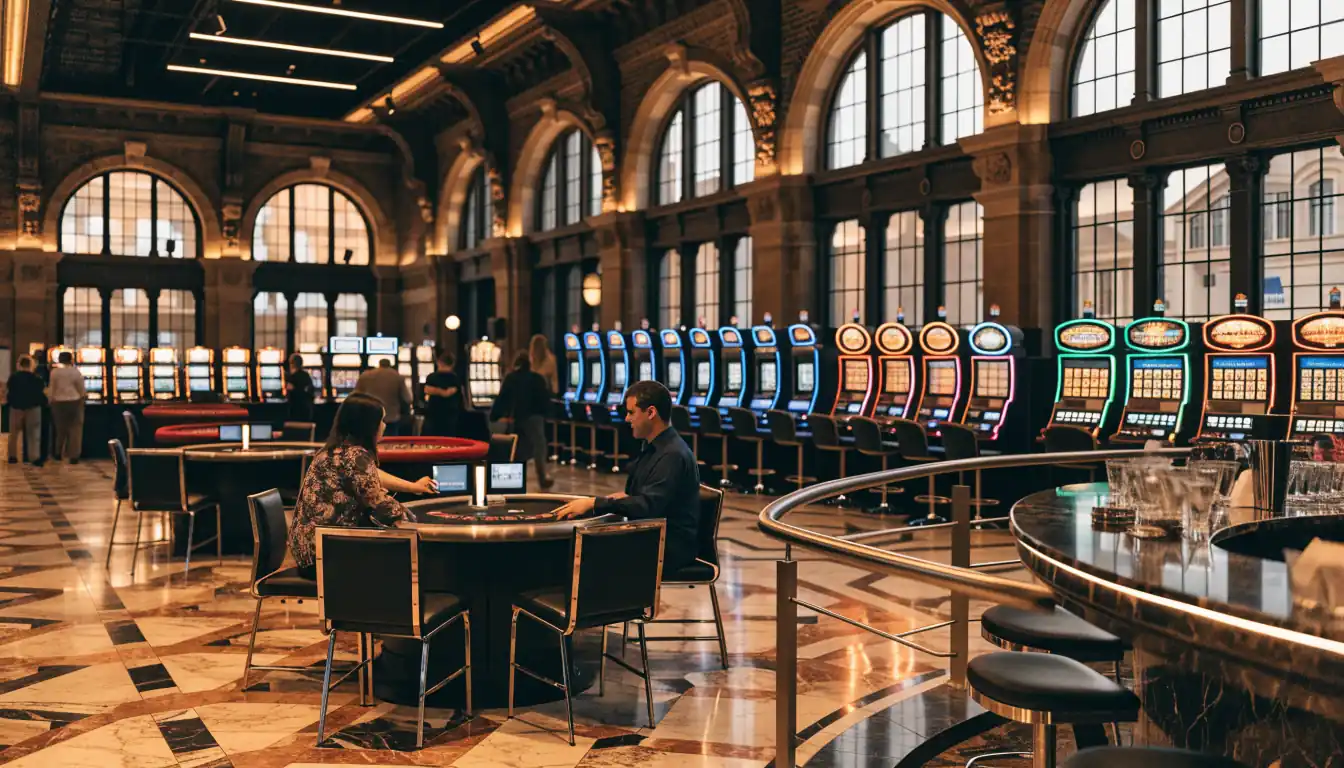
A poker room is not a corner of the main floor with a "poker" sign stuck above it. That distinction matters more than most visitors realise. The dedicated poker areas at Tasmania’s casinos are set apart from the pokies floor — separate seating, separate dealers, usually a separate hum. Walk from one to the other and the change in atmosphere is immediate: pokies are solitary, poker is social, and operators design the physical space to match.
Tournament schedules are the backbone of any serious poker room. Weekly cash games run alongside structured tournaments, and the better venues post their schedules well in advance so regulars can plan around buy-in levels and start times. I’ve sat at tables where half the players clearly knew the dealer by name — that’s what a functioning poker room looks like after a few years of consistent scheduling. It’s not glamorous. It’s routine, and routine is what keeps a poker room alive between the big tournament weekends.
Gambling can lead to significant financial loss; always set a strict budget before playing and stick to it.
Casino floor space, by contrast, is built for turnover — rows of machines designed for individual play, no dealer interaction, no waiting for a seat. Hotel gaming lounges (covered separately as part of accommodation amenities) are a different thing again: smaller, quieter, often limited to a handful of machines for guests who don’t want to leave the building. None of these should be confused with the poker room proper, which runs its own calendar and its own culture.
Gaming Zones Beyond the Tables
Beyond poker, "gaming areas" is the umbrella term operators use for everything from pokies rows to electronic table games to the sports bar, where screens run racing and sport alongside a bar service. The sports bar is worth mentioning on its own terms — it’s not a gaming zone in the strict sense, since the wagering itself happens through licensed betting channels rather than casino tables, but it sits physically inside the gaming footprint and gets treated as part of the same visit by most punters.
One thing worth knowing before walking into any of these rooms: whatever you win, you keep in full. Gambling winnings are not taxed in Australia, which is a rare piece of straightforward good news in an industry built on fine print.

How We Rate the Rooms
When Casino Cities Guide scores an operator’s gaming areas, the same weighted formula used across the site applies here — bonus generosity carries the heaviest weight at 30%, payout reliability follows at 25%, game library breadth at 20%, customer support responsiveness at 15%, and user-submitted feedback rounding it out at 10%. For poker rooms specifically, that breadth-of-library figure translates into tournament variety and table availability rather than slot titles, and cashout speed — one of the four core scoring points alongside bonus transparency, customer care, and licensing integrity — matters just as much at a poker cashier’s cage as it does anywhere else on the floor.
None of this scoring is paid for. Operators don’t get a better position by spending money with us — that’s a line we don’t cross, and it’s worth saying plainly rather than burying in a disclaimer nobody reads.
What the Numbers Around It Look Like
Poker rooms exist inside a much larger revenue picture. Gambling contributed 7.7% of state and territory taxation revenue back in 2015-16 — a figure that puts the scale of the industry in context, even if it says nothing about any single room’s table count or tournament size. That’s the kind of number that shows up in government reports, not on a poker room noticeboard, but it’s the reason these rooms exist in a regulated, taxed structure rather than an informal one.
Exact tournament schedules and buy‑in levels are not publicly disclosed by the venues and can change frequently.
What we can’t tell you — because nobody publishes it — is which specific tournaments run on which nights at any given venue right now, or what buy-in levels look like this season. That information sits with the operators directly, and it changes often enough that printing it here would be guessing dressed up as reporting.
Parking and Accessibility at Tasmanian Casinos
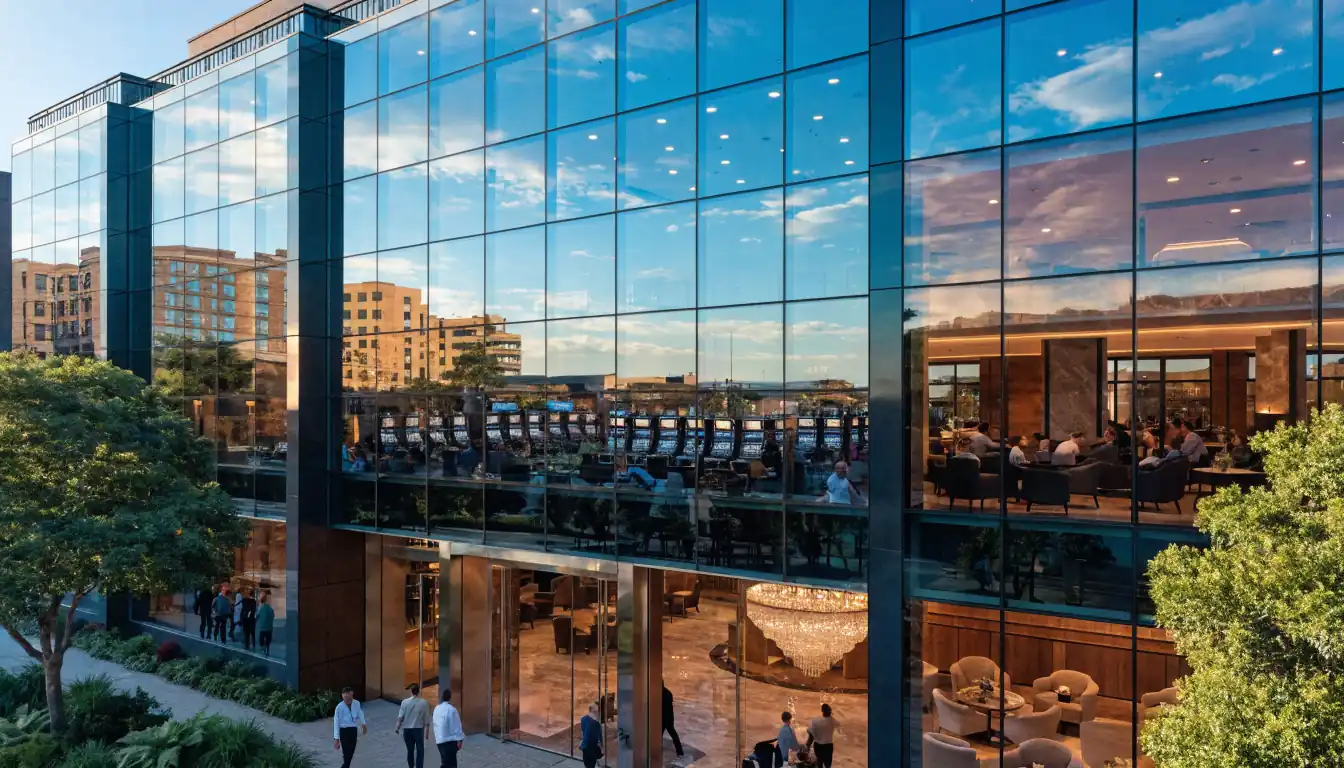
Ask any pit boss about parking and you get a shrug — it’s the least interesting part of the building, which is exactly why it usually works. Land-based venues in Tasmania are built the way land-based venues everywhere are built: on-site parking, step-free access from the car park to the gaming floor, and enough staff on the door to point people toward lifts and accessible entrances. None of that is regulated in any exotic way. It’s the same building code and disability-access standard that applies to a shopping centre or a hotel, because that’s what a casino physically is — a hotel with a gaming floor attached.
What’s worth separating out is the difference between free parking and valet. Free parking is common enough that it’s not a selling point so much as a baseline expectation. Valet, where it exists, is a hotel-guest amenity more than a casino one — it comes bundled with the room, not the pokies. If a venue’s marketing leans hard on "convenient parking" as a headline feature, that’s usually a sign there isn’t much else to talk about on the gaming side.
Where the real complexity sits
The part that actually needs explaining isn’t the car park — it’s what happens once someone decides the drive wasn’t necessary and reaches for a phone instead. That’s where the regulatory picture in Australia gets genuinely tangled, and no amount of "check the terms" advice fixes it, because there’s no single terms-and-conditions document that governs the whole country.
There is no one overarching statute or single regulator covering gambling in Australia. Regulation sits split between the states and territories on one side and the Commonwealth on the other, and they don’t cover the same ground. The federal layer is the Interactive Gambling Act 2001, enforced by the Australian Communications and Media Authority. It was written with harm minimisation as its stated purpose, and its practical effect is blunt: online casino games, online poker, and in-play betting are prohibited at the federal level, full stop. That prohibition targets the operators offering the games, not the individual sitting at home with a browser open — a distinction that matters for how the law is actually enforced, even if it does nothing to make the games available.
Sitting alongside that is the Northern Territory Racing Commission, which functions as Australia’s de-facto online gambling regulator in practice, mainly because it licenses most of the national online bookmakers who operate under its lower tax structure. That’s a sports-betting and racing arrangement — it has nothing to do with online casino games, and it doesn’t create a workaround for the IGA’s ban on them. I’ve seen that confusion repeated often enough to flag it directly: an NTRC licence on a sportsbook says nothing about the legality of a casino product from the same operator.
Legal Risk
Offering or accessing online casino games from Australian IPs breaches the Interactive Gambling Act 2001 and can result in penalties.
None of this changes what happens in the car park at a physical venue. Land-based gaming in Tasmania operates under its own state licensing, separate from the federal online framework entirely — two different regulatory conversations that happen to share a building’s front door. The accessibility standards, fire code, and parking allocation are state and local matters. The legality of playing pokies online from a Tasmanian address is a federal matter, decided in Canberra, not by the venue.
Worth saying plainly: there’s no public licence register in Australia to point anyone toward for checking an online operator’s standing, because the licensing that exists sits offshore or through the NTRC’s bookmaking framework — not through any domestic casino authority. That gap isn’t an oversight in how this article covers the topic. It’s the actual state of the regulation.
Nearby Accommodation Options
Not everyone wants to sleep where they gamble. I’ve booked both ways — tower rooms above the gaming floor and a motel ten minutes down the road — and the difference isn’t just price, it’s the walk back to the room after a long session.
No‑frills rooms, basic parking, typically a short drive from the casino.
More amenities, comfortable rooms, often reachable by a quick taxi ride.
Stylish design, higher price, but still separate from the casino floor.
The on-site casino hotel sells convenience: lift down, cash out, lift up. What it doesn’t sell as loudly is proximity itself, which for some players is the problem rather than the perk. Staying somewhere that isn’t attached to a gaming floor means an actual break between sessions — a drive, a walk, a door that isn’t fifty metres from a bank of pokies. That gap matters more than brochures admit.
What’s actually around
Tasmania’s accommodation options near its casinos split roughly into three tiers:
- Budget motels — no frills, functional parking, usually a short drive rather than a walk. Cheapest way to base yourself nearby without paying for the casino’s own room rates.
- Mid-range hotels — the bulk of bookings sit here. Reasonable amenities, often family-run or part of a small chain, close enough for a taxi ride rather than a hike.
- Boutique hotels — smaller room counts, more attention to design and service, priced closer to the on-site offering but without the gaming floor downstairs.
None of these come with the casino’s loyalty perks, and none of them will comp your stay based on play. That’s the trade-off: independence for the loss of the "complimentary" upgrade that on-site hotels dangle in front of regular players. Complimentary, in practice, meaning "priced into everything else you spent to earn it."
Why the distinction matters
Booking off-site isn’t just a budget decision. It changes the shape of the trip. A hotel room with no casino attached means no lift ride back to the floor after dinner, no key card that also opens a betting account, no ambient noise of machines through the walls. For a market where per-capita gambling losses have run into four figures a year, and where a measurable share of adults deal with gambling that’s become a genuine problem rather than a night out, that physical separation is a small but real piece of harm minimisation — not because a motel room is virtuous, but because distance removes friction-free access.
Practical differences that actually count
- Cancellation terms tend to be stricter off-site than the flexible policies casino hotels often extend to known players.
- Parking at independent motels is usually free and unmanaged; casino valet and structured parking is covered in the accessibility section elsewhere, but it’s worth knowing off-site options rarely offer anything comparable.
- Distance to the floor ranges from a short walk to a proper drive, depending on which tier you book — worth checking before assuming everything nearby is walkable.
- Loyalty crossover is limited or nonexistent; points earned at the casino generally don’t transfer to independent lodging discounts.
None of this makes off-site accommodation better or worse than staying attached to the casino — it makes it different, and the difference is mostly about how much distance you want between your bed and the gaming floor. Some travellers want zero distance. Others, having done the zero-distance version once, want a car between themselves and the door.
Contact Details and Customer Service Channels
Ring the front desk before you drive out and you save yourself the trip if the table you wanted is closed for a private event, or the baccarat pit is running a reduced schedule that night. I learned this the hard way years ago, showing up for what I thought was a craps game that had been quietly moved off the floor plan for a corporate function. A two-minute call would have told me.
Tasmania’s venues run their guest lines during standard business hours, with switchboard staff able to redirect calls to gaming floor supervisors, hotel reception, or events booking depending on what’s needed. Ask for the gaming floor directly if the question is about a specific table — craps, baccarat, or otherwise — because front-desk staff handling hotel bookings often can’t confirm table availability on the spot. The two departments run separately, and a general receptionist guessing at gaming floor status is worse than no answer at all.
What each channel is actually good for
- Phone: fastest for anything time-sensitive — table closures, bar hours, whether a concert booking has taken over part of the gaming floor for the evening.
- Email: better for anything that needs a paper trail — event bookings, group reservations, complaints that might need to be escalated later.
- Live chat, where offered, tends to be staffed by a smaller team and works best for quick logistical questions rather than anything requiring a manager’s sign-off.
- In-person concierge desks at the venue itself remain the most reliable source for same-day changes — a moved bar service, a rescheduled table, a car park section closed for an event.
None of these channels replace what you’d find on a venue’s own printed floor map, which is still the most accurate source for locating the bar, the gaming pit, or how the car park connects to the main entrance. Staff on the phone are working from the same map you’d be handed at the door, so if something changed in the last hour, they may not know either.
A note on what these channels can’t help with
None of Tasmania’s land-based venues, and no support line associated with them, has any connection to online casino products. That distinction matters because a fair number of enquiries directed at these numbers are actually about online play — slots, poker, blackjack, roulette — none of which any Australian operator, land-based or otherwise, is permitted to offer domestically. That’s a federal matter under the Interactive Gambling Act 2001, not a policy choice by any individual venue. Playing at an offshore-licensed site isn’t something the law penalises for the player — the restriction sits on the operator side — but no Tasmanian contact line is going to be the right place to ask about it, because there’s no legal domestic online product behind that number to discuss.
Spa and wellness facilities are hotel‑only amenities and are not linked to any gambling promotions or bonuses.
Before you call
Have the date and, if it’s about a table, the game type ready. "Is craps running Friday night" gets answered faster than a general "what’s on this weekend," and if the concierge needs to check with the floor manager, a specific question means a specific answer rather than a vague "should be fine."
Rankings and reviews of venues change on a rolling weekly basis as new information comes in, which is worth remembering if a listing you read a month ago doesn’t quite match what the front desk tells you today. When in doubt — call.
Buffet Offerings and Employment Opportunities
Buffet halls at Tasmanian casino resorts run on a different logic than the sit-down rooms next door. Where a restaurant books tables and staffs a kitchen for a fixed menu, a buffet is a volume operation — trays refilled on a schedule, stations organised by cuisine, and pricing built around one flat entry rather than a bill per dish. That distinction matters if you’re planning around a weekend visit, because buffet hours often follow their own rhythm, separate from the à la carte dining rooms.
Breakfast is where the buffet format earns its keep. The spread typically covers the standard hot and cold combination — eggs cooked to order, grilled items, pastries, fruit, cereals — laid out for self-service rather than plated by a server. For a resort trying to move a large number of overnight guests through in a set window before check-out, that self-service structure isn’t an aesthetic choice, it’s a throughput one. I’ve watched breakfast services get planned around exactly that number: how many people need to eat and leave within a couple of hours, and how few staff can manage it if the layout is right.
Lunch and dinner buffet offerings tend to widen out, with rotating themed nights sitting alongside a steady rotation of staples. None of this competes with the restaurant listings covered elsewhere — a buffet doesn’t take bookings, doesn’t have a sommelier, and isn’t trying to be a destination meal. It’s the option for people who want to eat efficiently and get back to the floor, or who arrived as part of a group and don’t want to split a table reservation four ways.
Employment at casino resorts
The buffet and broader hospitality side of a casino resort is also where a large share of the job openings sit — arguably more visible, day to day, than the gaming floor roles. Kitchen staff, buffet attendants, front-of-house coordinators, and breakfast service teams are the backbone of keeping a high-turnover dining operation running smoothly across a full day’s schedule. These aren’t gaming licence positions; they sit under standard hospitality employment rules, which means the path in looks like any other resort or hotel kitchen job — no gaming credential required for most of the roles on this side of the business.
That’s worth separating clearly, because "casino jobs" as a search term covers two very different worlds. One is the regulated gaming floor — dealers, cage staff, surveillance — which requires probity checks and gaming licensing specific to the operator and the state. The other is the hospitality engine underneath it: buffet service, breakfast prep, kitchen roles, cleaning and maintenance crews. A resort’s culinary and buffet division typically has far more turnover in listings than the gaming side simply because food service staffing needs are constant and seasonal, while gaming roles are narrower and slower to open.
None of this touches online gambling in any form. Australia has no domestically licensed real-money online casino operators, and it remains illegal for any operator to offer online casino gambling to Australian residents — a buffet counter or a kitchen roster has nothing to do with that regulatory line, but it’s worth being precise about where the physical resort ends and the online gambling restriction begins, since the two get conflated more often than they should. Online sports betting is a separate, legally licensed category at the state and territory level, and it doesn’t intersect with either the dining operation or the resort’s hospitality hiring pipeline.
Operating Hours and Seasonal Openings
Nobody publishes a definitive, year-round timetable for Tasmanian casino floors, and there’s a reason for that. Gaming floors run on licence conditions and local demand, not on a fixed roster that gets printed once and forgotten. What holds true one quarter can shift the next, especially around long weekends or when a venue reworks its floor for renovations. I’ve seen "closing time" quietly slide by an hour because a function room booking ran long — nothing sinister, just the reality of a business that answers to foot traffic first.
Seasonal openings follow a similar pattern. Tasmania’s tourist calendar swings hard between summer visitor peaks and quieter winter months, and gaming floors adjust staffing and hours accordingly rather than holding a rigid schedule. A venue humming at full capacity in January can look considerably more relaxed by July, with certain sections — a poker room, a high-limit area — scaled back or consolidated depending on numbers through the door.
What actually changes, and what doesn’t
A few things stay constant regardless of season:
- Age verification at entry — nobody under 18 gets onto the floor, full stop.
- Core table games and pokies areas generally stay open through advertised hours, barring maintenance or a licensing-related closure.
- Any live, in-person betting activity on site operates within standard trading hours — worth noting given that online in-play betting sits in a different legal category altogether, prohibited federally while phone-based live betting remains legal. The two shouldn’t be confused, and venues don’t advertise them as interchangeable because they aren’t.
What does shift: overnight hours around public holidays, temporary floor reconfiguration for events, and occasional early closures tied to venue-specific circumstances that rarely get announced far in advance.
Reopenings after closures
When a venue closes for refurbishment or a scheduled shutdown, the "reopening" itself tends to get more promotional attention than the original operating hours ever did — a fresh floor, updated machines, sometimes a new dining partner announced alongside it. That’s standard practice; a reopening is a marketing moment as much as an operational one. I wouldn’t take a reopening date as gospel until it’s confirmed close to the day, because these things move.
Why this matters beyond convenience
There’s a broader financial current running underneath all this scheduling. Australia’s largest superannuation funds now hold a substantial stake in publicly listed igaming companies — a detail that has nothing to do with when a Tasmanian floor opens its doors, but everything to do with why gaming venues keep evolving rather than standing still. Capital tied up at that scale expects growth, and growth shows up as longer hours during peak season, refreshed floors, and venues chasing visitor numbers rather than sitting on a fixed timetable.
Anyone planning a visit around a specific time slot is better off treating published hours as a starting point, then confirming directly — because "open until late" means something different in March than it does in August, and no calendar printed today accounts for that reliably.
Casino Restaurants and Dining Choices
A sit-down restaurant inside a casino has a job that has nothing to do with feeding people. It gives someone a reason to stay past the point where they’d otherwise walk out to find dinner elsewhere. Every operator I’ve worked with understood this. The menu design, the pacing of service, even where the entrance sits relative to the gaming floor — none of it is accidental.
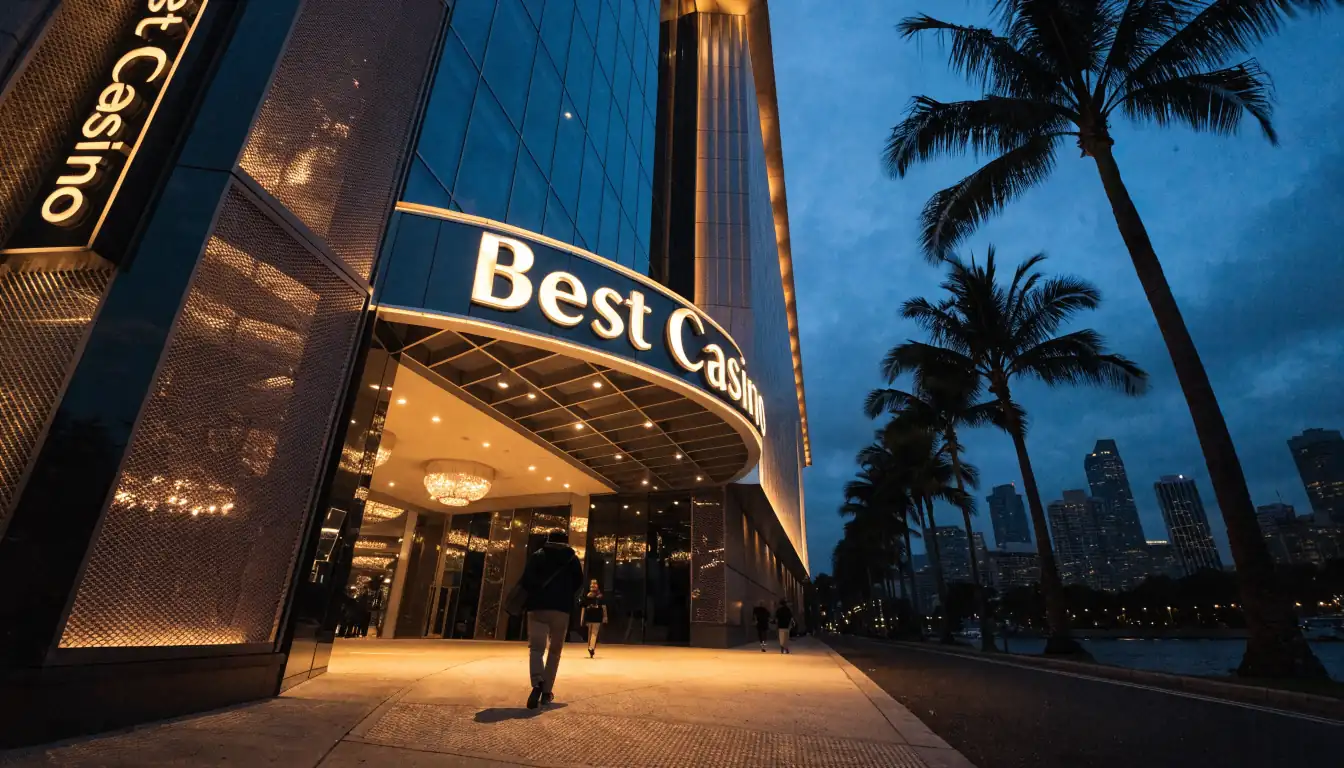
That’s not a complaint about quality. Tasmania’s casino dining rooms are generally solid, sometimes genuinely good, and worth booking on their own merits. It’s just worth knowing why they exist in the layout they do before treating "fine dining" as a neutral description rather than a design choice.
What separates a restaurant from a food court
A casino restaurant means table service, a fixed menu or seasonal rotation, and a booking system — as opposed to counter service and shared seating. Tasmanian venues typically run at least one dedicated dining room alongside more casual options, and the split matters if you’re planning an evening rather than a quick meal between sessions.
Cuisine at these restaurants tends toward what you’d expect from a destination trying to justify a premium price point: local seafood, Tasmanian produce worked into a broader modern-Australian menu, a wine list weighted toward the island’s own vineyards. That’s a genuine strength of the region rather than a casino-specific perk — the same producers supply restaurants well outside any gaming venue.
Booking ahead is worth doing on weekends. These rooms are sized for a steady flow, not a surge, and a full house doesn’t get you a table faster just because you’re already inside the building.
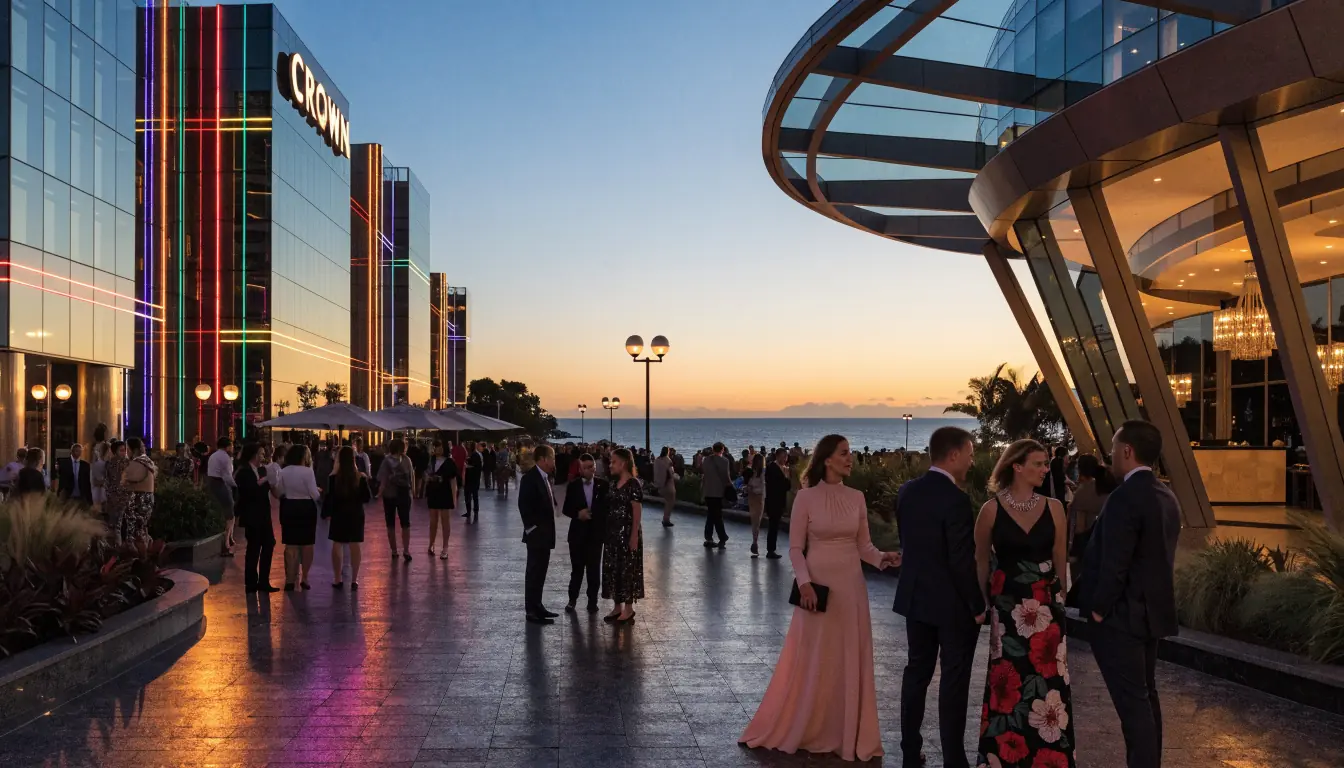
A note on scale, not standards
I won’t put numbers on wait times or seating capacity here — Tasmanian operators don’t publish that, and reviewers I’ve spoken with treat published figures as marketing exercises rather than commitments. Where a number would be reassuring, its absence tells you something honest: nobody’s promising it because nobody wants to be held to it.
The gambling context, briefly
Weekly gambling participation among Australian adults sits close to two in five, which is relevant here mainly because casino floor plans are built around exactly that kind of regular visitor — someone who comes back often enough that a good restaurant becomes part of the routine rather than a one-off treat. It’s worth remembering this applies to venue design and land-based hospitality, not to online play. Australian law — the Interactive Gambling Act, dated to either 1997 or 2001 depending which source you check, and the discrepancy isn’t resolved anywhere I’ve found — prohibits offering online casino games to Australian residents. None of that touches a restaurant booking. It’s a separate legal universe from the one governing what you can do on your phone.

The dining room is real, bookable, and unaffected by any of it. The point is just not to let one experience quietly stand in for permissions it was never granted.
Spa and Wellness Facilities at Casinos
Wellness offerings at Tasmanian casino properties tend to sit some distance from the gaming floor, physically and in spirit. Where the casino itself runs on noise and momentum, the spa areas are built around the opposite idea — a quiet room, a treatment table, a schedule that doesn’t care what’s happening downstairs. I’ve walked from one into the other more than once and the contrast is deliberate. Nobody wants a guest smelling of chlorine or massage oil at the blackjack table, and nobody wants pokie chimes leaking into a treatment room.
What’s actually on offer varies more than casino marketing suggests. Some properties run a proper day spa with a treatment menu — massage, facials, that general category — while others fold wellness into the hotel’s health club, which might mean little more than a sauna and a quiet lounge attached to the gym. The word "spa" gets used loosely enough that it’s worth checking, before booking a stay around it, whether you’re getting a dedicated facility or a side room with towels.
What to expect on site
- Treatment rooms – private spaces separate from hotel guest floors, generally requiring advance booking rather than walk-in access.
- Relaxation lounges – quiet areas positioned away from gaming and dining noise, sometimes with limited access tied to hotel guest status.
- Pool and sauna access – where present, usually bundled with the hotel’s wellness offering rather than the pool areas attached to food courts, which serve a different, more casual purpose.
None of this touches the gaming areas or the poker rooms covered elsewhere — the spa exists as its own commercial unit within the resort, often run with separate staff and separate booking systems entirely disconnected from the casino floor.
One thing worth being direct about: spa access at a casino resort has nothing to do with the gambling itself, and it shouldn’t be mistaken for part of any "value" a casino promotes around its floor. It’s a hotel amenity wearing a casino’s branding. Treat it as such when weighing whether a stay is worth it — the spa doesn’t get better because the pokies down the hall pay well, and it doesn’t get worse if they don’t.
Age matters here too, if indirectly. Spa and wellness areas are generally open to all hotel guests regardless of age, unlike the gaming floor, which is restricted to adults only. That distinction is worth knowing given how young some gambling engagement starts elsewhere — a meaningful share of 12–17-year-olds and nearly half of 18–19-year-olds report gambling activity nationally, which is precisely why casino resorts keep the wellness spaces open to families while the tables and machines stay firmly behind an adults-only line.

Food Courts and Pool Areas
Not every meal at a casino needs a reservation. The food court sits apart from the sit-down restaurants and buffet halls covered elsewhere on this page — it’s the quick-turnaround option for someone stepping off the gaming floor who wants a coffee, a burger or a quick plate of noodles without waiting on a table. Counter service, shared seating, no dress code beyond what the venue already requires at the door.
That casual layer matters more than it looks. Tasmania’s casino floors run long sessions, and a food court gives people a reason to step away from a machine or a table without losing the evening entirely. It’s a pressure valve, not an amenity for its own sake.
Pool areas at the larger properties work the same logic but for daytime. They’re not the private, hotel-guest-only pools attached to on-site accommodation — those are a separate feature tied to room bookings. The casino-adjacent pool spaces tend to be more public-facing, built for a break in the day rather than an overnight stay.
None of this changes what’s actually being wagered once someone walks back inside. Gambling spend nationally runs into the hundreds of billions each year, and a food court snack doesn’t buy anyone distance from that math. It just buys ten minutes.
Neither the food court nor the pool comes with betting limits attached. Those live on the floor, not at the counter.
Are crypto casinos legal in Australia in 2026?
No — the Interactive Gambling Act 2001 prohibits online casino games, including slots, poker, blackjack and roulette, for Australian residents, and no domestic licence for an online casino exists. It is not illegal for individuals to play at offshore-licensed casinos, as the law targets operators, not players.
What payment methods are available for Australian players at online casinos?
None domestically: there are no licensed real-money online casino operators in Australia, so no domestic payment options exist for online casino play. Offshore sites are outside the domestic licensing system.
Can I play casino games at Tasmania’s casino hotels?
Yes — Wrest Point in Hobart and Country Club Tasmania in Launceston both have gaming floors attached to their hotel towers, but access requires guests to be 18 or older.
Written by the editors at Casino Cities Guide.