
Best Casino in Victoria: Rooms, Gaming Floor and Dining Guide
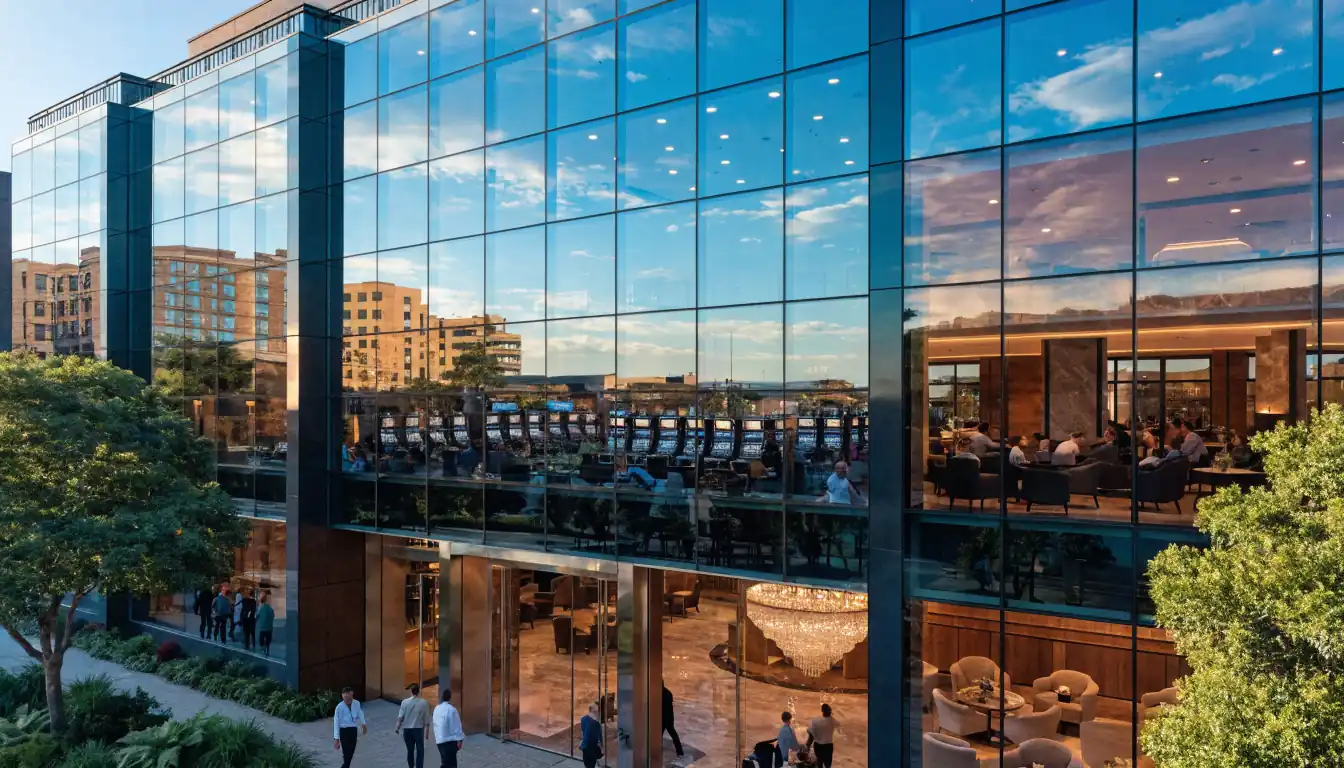
Table of Contents
- Victoria Casino Hotel Options
- Poker Rooms and Gaming Facilities at Victoria Casino
- Dining Buffets and Culinary Experiences
- Parking and Accessibility at Victoria Casino
- Nearby Accommodation Options around Victoria Casino
- Contact Information and Customer Service
- Opening Hours, Licensing, and Ranking Methodology
- Wellness and Spa Services at the Casino
- Casino Restaurants and Specialty Eateries
- Food Courts and Poolside Refreshments
Victoria Casino Hotel Options
I have stayed in a lot of casino hotels over the years, and the on-site tower attached to a gaming floor is a different animal from a hotel that merely sits nearby. The property in Victoria follows that pattern: rooms are built around the idea that you never really leave the building. Lifts drop you straight onto the gaming floor, room keys double as loyalty cards at the front desk, and the whole layout is designed so a guest has no real reason to step outside.
That’s the pitch, anyway. "Seamless integration" is how the brochures put it — which, translated, means the walk from your bed to a poker table is shorter than the walk to the nearest coffee machine.
Room types
The on-site hotel typically splits its inventory into a few recognisable tiers:
- Standard rooms — the bulk of the inventory, aimed at the volume of visitors who come for a night or a weekend and want a bed close to the action.
- Premium or view rooms — higher floors, better outlooks, priced above standard but still positioned as part of the same building rather than a separate luxury product.
- Suites — larger footprints, sometimes with lounge areas, marketed toward guests who want to entertain or who are staying longer.
Since online casinos aren’t licensed within Victoria itself, players there typically rely on internationally licensed sites, so it pays to check licensing, bonus terms and payout speed before signing up.
License: international iGaming licence – jurisdiction not named in the source · Bonus: 100% up to A$1,000 + 100 free spins, 35x wagering · Payout speed: PayID 1-24 hours · Min. deposit: A$30 (PayID from A$10) Holds an international iGaming licence and offers a matched deposit plus free spins with clearly stated wagering, backed by fast PayID withdrawals and a low minimum deposit via that method.
License: Curacao – Antillephone N.V. (Versus Odds B.V.) · Bonus: up to EUR 2,000 across 5 deposits + 200 free spins · Min. deposit: EUR 20 Licensed in Curacao under Antillephone N.V., this operator spreads its welcome bonus and free spins across multiple deposits with a modest minimum deposit requirement.
License: Curacao eGaming OGL/2023/174/0082 (Dama N.V.) · Bonus: up to A$10,000 + 500 free spins across 4 deposits · Min. deposit: A$15 Operating under a Curacao eGaming licence via Dama N.V., it stands out for a sizeable multi-deposit welcome package including free spins and an accessible minimum deposit.
Bonus: up to A$7,500 + 550 free spins across 10 deposits, 50x wagering · Payout speed: crypto under 1 hour, PayID 1-3 business days · Min. deposit: A$20 (A$30 to qualify for the bonus) A generous multi-deposit bonus with free spins is paired with notably quick crypto payouts, while PayID withdrawals and deposits are also supported.
Bonus: 100% up to A$750 + 200 free spins, 35x wagering · Payout speed: crypto 30-120 minutes, fiat 24-72 hours · Min. deposit: A$30 Offers a straightforward matched deposit bonus with free spins and set wagering terms, plus fast crypto payout times alongside standard fiat processing.
License: Curacao Gaming Control Board OGL/2023/176/0095 (Hollycorn N.V.) · Bonus: up to A$11,000 + 300 free spins (code NEO100) Licensed by the Curacao Gaming Control Board through Hollycorn N.V., it features a large bonus with free spins activated via a bonus code.
License: Curacao Gaming Control Board (TechSolutions Group N.V.) · Bonus: 100% up to A$250 + 100 free spins (1st deposit) Licensed by the Curacao Gaming Control Board under TechSolutions Group N.V., it keeps things simple with a first-deposit bonus and free spins.
License: Curacao Gaming Authority (Jumpman Gaming Ltd) · Bonus: up to A$6,600 + up to 250 free spins across 4 deposits Under a Curacao Gaming Authority licence via Jumpman Gaming Ltd, this operator offers a multi-deposit bonus package with free spins included.
License: Curacao OGL/2024/1335/0780 · Bonus: up to A$1,000 + 150 free spins, wager-free · Min. deposit: EUR 20 Licensed in Curacao, it offers a wager-free bonus with free spins, a feature that sets it apart alongside its accessible minimum deposit.
License: Curacao eGaming (Hollycorn N.V., since 2017) · Bonus: 225% up to A$1,540 + 600 free spins across 4 deposits, 20x wagering · Min. deposit: A$20-30 (depends on the offer) Backed by a long-standing Curacao eGaming licence from Hollycorn N.V., it provides a large multi-deposit bonus with free spins and comparatively low wagering requirements.
None of these tiers are unusual by hotel-industry standards. What sets them apart from a hotel three blocks away is proximity, not luxury. You are paying, in effect, for the lift ride.
Deals and how they actually work
Casino hotels run "deals" constantly — package rates that bundle a room with dining credit, or discounted midweek nights aimed at filling rooms outside peak periods. I’ve booked enough of these to know the arithmetic is usually straightforward once you read past the headline number: a room-plus-credit package is rarely cheaper than booking the room alone if you don’t intend to spend the credit anyway. It’s not a trick exactly. It’s a nudge.
One thing worth stating plainly, because it comes up constantly with visitors: any winnings from time spent on the gaming floor during a stay are not taxed in Australia. That’s a feature of how gambling income is treated nationally, not something specific to this hotel — but guests ask, so it’s worth having settled.


Who actually books these rooms
The scale of gambling participation in Australia gives some sense of why casino hotels exist at all. Close to three-quarters of Australian adults gambled at least once in the past year, and average bets per person run into the thousands annually — figures that make it obvious why a casino would want its own accommodation rather than leaving guests to book down the street. Nationally, Australians placed bets totalling in the hundreds of billions across a single financial year. A hotel bolted onto a gaming floor isn’t an accident of real estate; it’s a retention strategy with a bed attached.
That’s not a criticism, just a description. Anyone booking the on-site tower should understand what they’re actually buying: convenience and proximity, not necessarily better value or a quieter night’s sleep than they’d get from an independent hotel a short walk away.
How the on-site hotel differs from staying nearby
The distinction matters because the two options serve different purposes:
| On-site hotel | Nearby accommodation | |
|---|---|---|
| Distance to gaming floor | Direct, internal access | Requires walking outside |
| Pricing structure | Often bundled with casino credit or perks | Standalone room rates |
| Noise and activity | Building operates on casino hours | Generally quieter |
| Booking channel | Usually through the casino’s own system | Independent hotel booking platforms |
Guests chasing convenience — arriving late, wanting to gamble into the early hours without a commute — get real value from the on-site rooms. Guests who want a proper night’s sleep, or who are visiting Victoria for reasons that have nothing to do with the gaming floor, are often better served looking a few streets over. That comparison, and the actual nearby options worth considering, is its own subject rather than something to fold into a review of the casino’s own rooms.
The short version: the on-site hotel is built to keep you close, and it does that job well. Whether that’s the job you actually need done is a separate question.
Poker Rooms and Gaming Facilities at Victoria Casino
Ask anyone who’s spent time on a casino floor and they’ll tell you the poker room is where the real culture of the place lives. Everywhere else, the house sets the terms. At the poker table, players set them for each other, and the room itself is just the venue taking a cut. That distinction shapes everything about how a poker room is run, staffed and scheduled — and it’s worth understanding before you plan a night around it.
Tournament guarantees
Not all poker sessions are guaranteed; if a tournament doesn’t attract enough players, the venue may replace it with a cash game or cancel it without prior notice.
I’ve worked rooms where the "tournament schedule" printed on the wall bore only a loose resemblance to what actually ran on a given night. Fields were thin, start times slipped, and the house filled gaps with cash games instead of admitting a tournament wasn’t going ahead. None of that is a criticism unique to any one venue — it’s just how tables fill or don’t, depending on the night, the season, the football calendar. What matters is whether a venue is upfront about which sessions are guaranteed and which are subject to numbers.
What a poker floor actually offers
A gaming floor built around poker generally separates into a few distinct zones, even if they sit under one roof:
- Cash game tables — the bread and butter, running most hours the floor is open, with staff rotating players in and out via a waiting list.
- Tournament tables — set aside for scheduled events, roped off or badged differently so casual walk-ins don’t sit down expecting a cash game.
- Ancillary gaming areas — pokies, table games like blackjack and roulette, sometimes a sports betting lounge or sports bar adjoining the main floor, where punters split attention between screens and the action at the tables.
That third category is where a lot of venues blur lines, and where I’d urge some scepticism. A sports bar attached to a gaming floor is a hospitality space first — it exists to keep people watching, drinking and betting in the same seat for as long as possible. There’s nothing wrong with that as a business model, but it’s not the same offering as a dedicated poker room, and treating them as interchangeable in marketing material is a bit of a sleight of hand.
Reading a tournament schedule properly
A published schedule should tell you the buy-in, the starting stack, the blind structure and the guaranteed prize pool if there is one — and, just as importantly, what happens if the field doesn’t hit capacity. Rooms that are confident in their numbers state that plainly. Rooms that aren’t tend to leave it vague. That vagueness isn’t dishonesty exactly — it’s the same instinct that keeps casino listings elsewhere scored on things like bonus transparency and cashout speed rather than take at face value. The same discipline applies here: check what’s actually promised in writing, not what the poster implies.
Age verification at the door is standard and non-negotiable — anyone accessing a gaming floor or any casino offer needs to be 18 or older, and staff checking ID isn’t friction, it’s the baseline the whole operation runs on.
Why the numbers matter
Poker rooms don’t exist in isolation from the broader gambling economy, and it’s worth keeping some scale in mind. Australians lost $31.5 billion to gambling in 2022–23, and just under two in five adults gambled at least weekly in 2022. That’s not a poker-specific statistic — it spans pokies, wagering, lotteries, the lot — but it’s the backdrop against which every gaming floor operates. A room that runs honest tournaments with clear structures is operating inside that reality, not apart from it. The house always has the better long-run position; a well-run poker room just makes sure the player-versus-player part of the equation stays fair.
Ancillary gaming areas
The ancillary areas include pokies, table games such as blackjack and roulette, and often a sports‑betting lounge or bar, providing additional betting options beyond the core poker rooms.
None of this touches on hotel packages or dining offers tied to a stay — those sit in different parts of the venue and different parts of the experience. The poker room and the wider gaming floor are their own ecosystem: schedules, structures, staff who know a soft field from a tough one. Worth walking the floor before you commit a session to it.
Check the posted structure. Then decide.
Dining Buffets and Culinary Experiences
A buffet is a different promise than a restaurant menu. You’re not paying for a dish, you’re paying for volume and variety, and the two things that make a buffet worth returning to are turnover — how fast trays get refreshed — and range across cuisines rather than depth in any one of them. That’s the whole model. Everything else is decoration.
Breakfast is where this shows up first. The spread runs through the usual hot-plate staples alongside a cold section for anyone who wants to eat light before a long session on the floor. What I’ve noticed at properties running this format is that breakfast buffets live or die on the eggs station — if someone’s cooking them to order rather than holding them under a lamp, the rest of the room tends to be run properly too. It’s a small tell, but a reliable one.
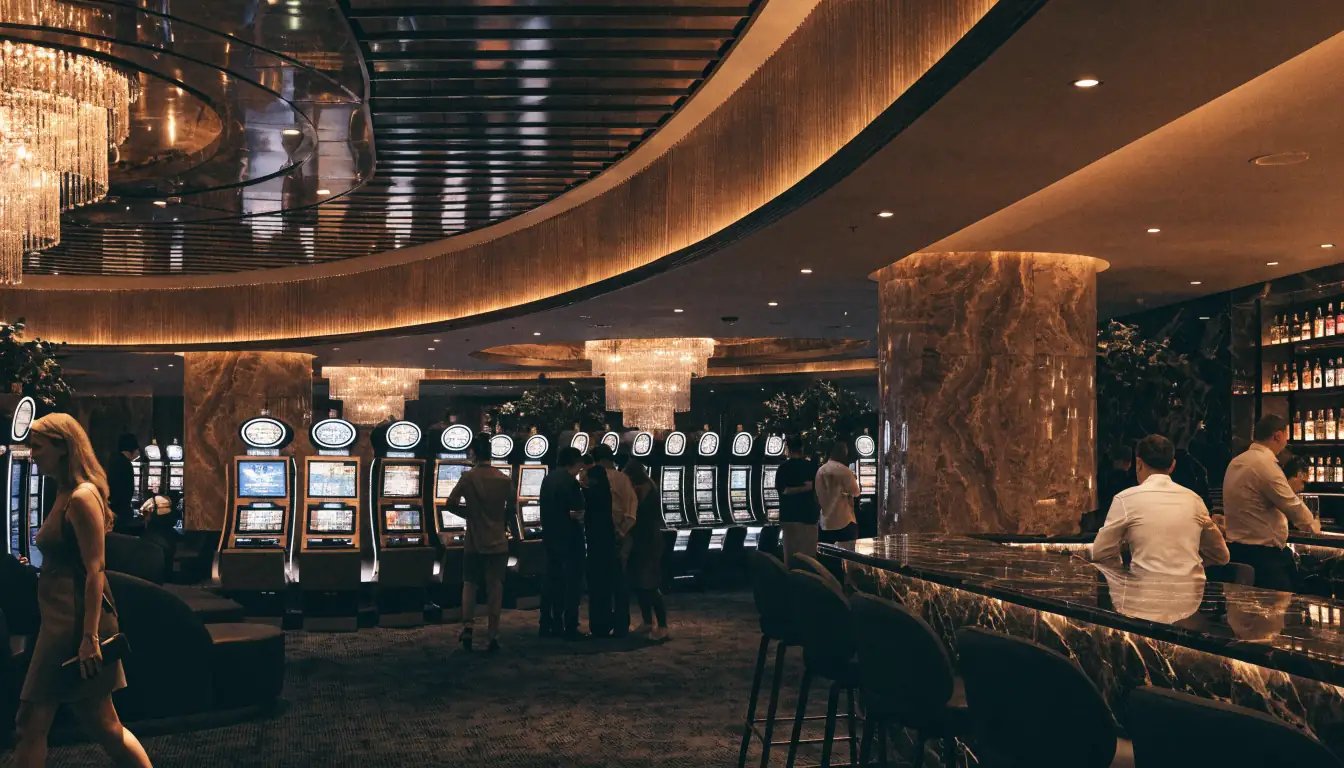
Lunch shifts the balance toward carving stations and a wider spread of hot dishes, aimed at the crowd moving between gaming floor and dining room rather than settling in for an evening. Dinner is the heaviest sitting of the day — seafood, roasts, a dessert section that’s usually the busiest corner of the room by the second hour of service. None of this is plated to order. That’s not a shortcoming, it’s the format working as intended.
What sets the buffet apart from everything else on site
The casino runs several tiers of food service, and it’s worth being clear about where the buffet sits among them, because the marketing often blurs the line on purpose.
- Buffet — self-service, fixed session times, priced for volume rather than a specific dish.
- À la carte restaurants and themed eateries — table service, chef-driven menus, a different pace and price point entirely (covered separately, not part of this section).
- Food court and poolside counters — grab-and-go, casual, no seating service at all (also covered elsewhere).
Three different economics, three different reasons to choose one over the others. Confusing them is how people end up disappointed — expecting restaurant plating from a buffet line, or a quick bite from a room set up for a two-hour sitting.
Reading the "culinary experience" language
Marketing copy likes to call a buffet a "culinary experience," which is doing a lot of work for what is, functionally, a serviced canteen with good bones. There’s nothing wrong with that — a well-run buffet is genuinely good value for what it is — but the phrase is aimed at making a self-service format sound like something it isn’t. Call it what it is: a buffet, done well or done poorly, and the tray turnover tells you which.
Where the money for all this actually comes from
Gambling revenue made up 7.7% of state and territory taxation revenue in 2015-16, which is worth keeping in mind when a casino property invests heavily in its food offer. The dining rooms aren’t a profit centre in their own right, most of the time — they’re there to keep people on site, fed, and comfortable enough to stay through another session. A generous buffet spread is a retention tool as much as a meal. That doesn’t make it worse. It just explains why the room looks the way it does, and why the spread tends to be more generous than a standalone buffet restaurant would ever need to be.
Pricing varies
Buffet prices and session windows change depending on the day of the week and the season, so always check the property’s website for the current rates before you arrive.
Worth knowing before booking a sitting: buffet pricing and session windows change with the day of the week and the season, and property websites are the only reliable place to check current details before turning up. Nothing about the format is fixed permanently — it’s run on the same commercial logic as the rest of the floor, adjusted whenever footfall patterns shift.
Parking and Accessibility at Victoria Casino
Getting to a physical casino in Victoria and getting into an account online are two entirely different journeys, and it’s worth separating them before going any further. Everything below concerns the bricks-and-mortar side: car parks, valet stands, tram stops. None of it has anything to do with "online casino Victoria" as a search phrase, because that destination, in the form most people picture — pokies and roulette on a phone screen, run by an Australian-facing operator — doesn’t legally exist.
That’s not a technicality. The Interactive Gambling Act 2001 is the Commonwealth law that prohibits offering online casino games, including pokies, blackjack and roulette, to Australian residents. Some references to this prohibition cite an Interactive Gambling Act from 1997 instead — the sources disagree on the year, and I won’t pretend one is correct just to make the sentence tidier. What both versions agree on is the outcome: no domestic operator can hold a licence to run an online casino for players in this country, and no one legitimately advertises "free parking" or any other perk for an online casino product that isn’t allowed to operate here in the first place. Interactive Gambling Act 2001 targets the operator, not the person placing a bet, so playing at an offshore site isn’t a crime for an individual — but that’s a separate conversation from anything a car park attendant would care about.
Back on the ground, the practical questions are simpler.
Car parks and valet
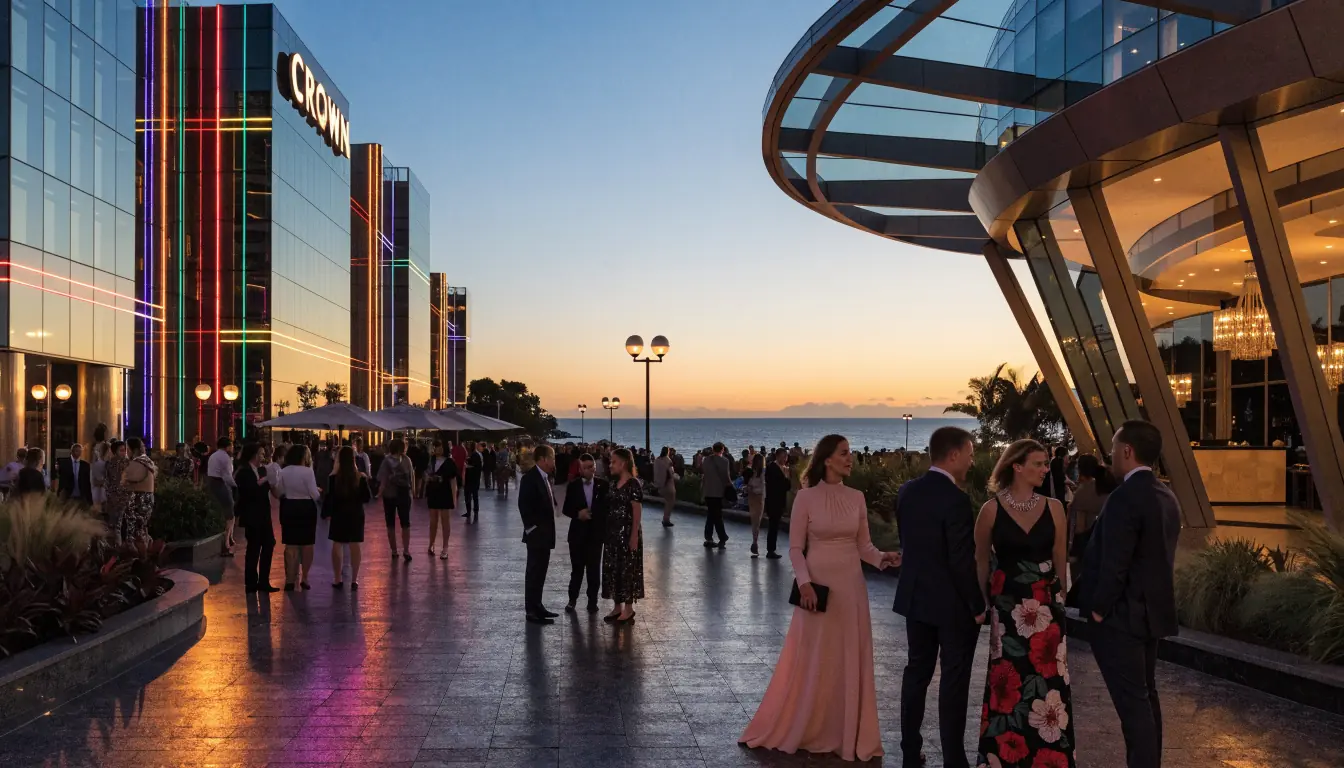
Multi-level car parks attached to casino precincts in Victoria typically sit close enough to the main entrance that the walk is measured in metres rather than minutes. Signage inside tends to be colour-coded by level, which matters more than it sounds once a visit runs long and the vehicle stops being the first thing on anyone’s mind. Valet stands operate at the main vehicle drop-off, handling the car while the visitor heads straight in — useful on a Friday night when the alternative is circling for a spot.
What I’ve never seen at any of these properties, in Victoria or anywhere else in the country, is a genuine online counterpart to "free parking." Some marketing material gestures at rewards programmes that sound like they extend to a digital account, implying that a loyalty card earns something on both the casino floor and an app. In reality, the "app" side of that pitch usually means sports betting through a state-licensed bookmaker, not casino games — a distinction worth holding onto, because the two are regulated completely differently and only one of them is actually legal to offer online.
Getting there without a car
Public transport links tend to be the more reliable option for anyone not driving in themselves. Tram and train services running near major casino precincts generally drop passengers within a short walk of the entrance, and taxi or rideshare pickup zones are usually marked separately from the general drop-off to keep traffic moving. None of this requires booking ahead — arrive, find the pickup point, leave the same way.
Accessibility
Step-free access, accessible parking bays close to entrances, and lift access to upper gaming and hotel floors are standard at properties of this size. Staff at entry points can usually point visitors toward the nearest accessible route rather than the main pedestrian flow, which is worth asking about on arrival rather than guessing.
None of this — the ramps, the tram stop, the valet stand — has an online equivalent, because the online product these terms sometimes get attached to isn’t one that operates lawfully in Victoria to begin with.
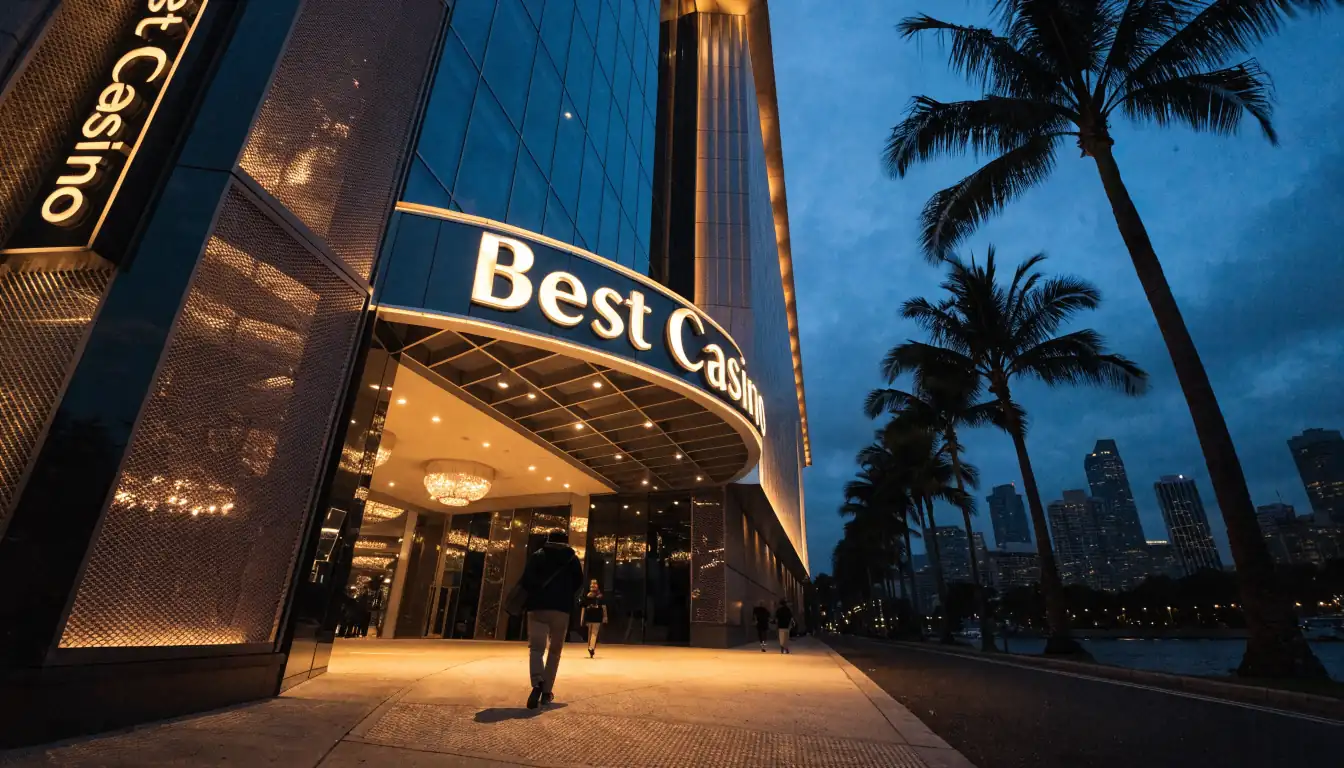
Nearby Accommodation Options around Victoria Casino
Whenever the casino’s own rooms are full — or a guest simply wants distance from the gaming floor at the end of the night — the surrounding blocks fill the gap. This isn’t a duplicate of what’s covered in the hotel section above; it’s a different decision entirely. The casino hotel sells proximity and a package built around the property. Everything around it sells choice: price points, room sizes, and how far someone actually wants to walk after a late session at the tables.
Serviced apartments are the category worth understanding first, because they solve a problem the casino hotel doesn’t try to solve. A couple staying three or four nights, or a group splitting a trip between gaming and everything else the city offers, generally gets more out of a self-contained apartment than a standard hotel room. Kitchenette, laundry, separate living space — none of that is what an on-property casino room is designed for, and it shouldn’t be. The two formats aren’t competing; they’re answering different questions.
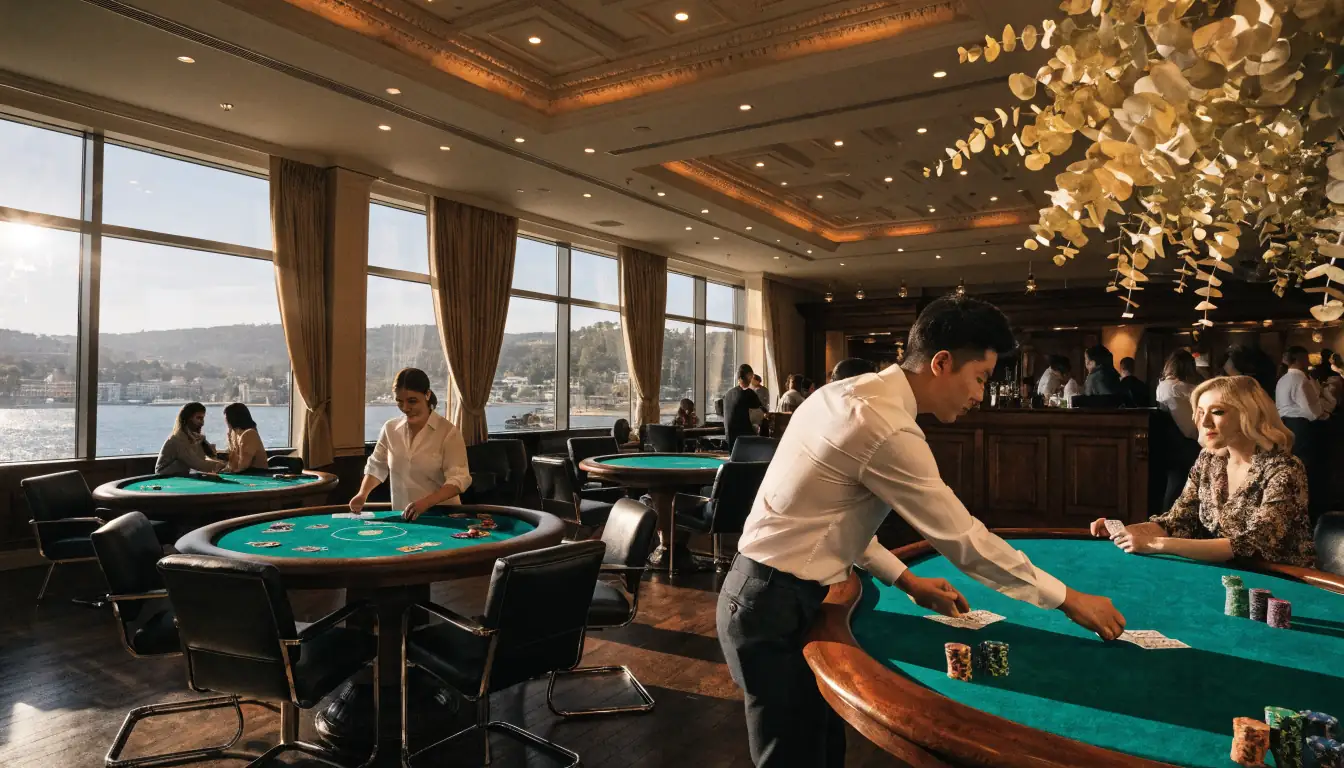
Standard hotels in the surrounding area fall into a wide spread, from business-oriented chains to boutique properties that have nothing to do with gambling at all. That’s actually the point. Not every visitor wants their accommodation branded around the casino experience. Some want a quiet room, breakfast, and a walk to the gaming floor when they feel like it rather than a room stacked on top of it. Staying off-property also means the daily rhythm isn’t dictated by casino operating hours or foot traffic through a casino lobby.
What actually differs between staying on-site and staying nearby
- Distance to the floor — on-property means an elevator ride; nearby means a short walk or a quick transport hop.
- Price flexibility — the surrounding market has more range, from budget rooms to high-end apartments, because it isn’t tied to a single operator’s pricing structure.
- Length of stay — apartments nearby suit multi-night stays better than a hotel room built for a weekend visit.
- Atmosphere — nearby options range from purely functional to fully separate from any gambling context, which matters to guests who want the casino to be an activity, not a backdrop.
One thing worth saying plainly: none of this changes what’s legally available once someone’s back in their room with a laptop. Online sports betting runs under state and territory licensing and is legal to use. Online casino games are a different matter entirely — there’s no domestic licence that permits real-money online casino gambling in Australia, and no operator can legally offer it here. That gap doesn’t close just because someone’s staying two blocks from a physical casino floor. The room key gets you a bed near the action; it doesn’t get you a legal online casino to play at once you’re in it.
Booking through the accommodation nearby also tends to be more transparent about what’s included, since these properties aren’t bundling a hotel stay with casino marketing. A quoted rate near a casino district is usually just that — a room rate, not a package dressed up to look like a deal. Worth comparing against whatever the casino’s own hotel is offering before assuming the on-property option is automatically the better value. Sometimes it is. Often it isn’t.
No online casino from nearby hotels
Staying at nearby accommodation does not give you legal access to an online casino – the same Australian restrictions apply regardless of where you stay.
Contact Information and Customer Service
Every time I’ve called a property this size, the first ten seconds tell you whether you’ll get a straight answer or a menu maze. A general enquiries line, staffed around the clock, is the fastest route to anything practical — table minimums for the night, whether a show is sold out, whether the car park is full. Save the number rather than searching for it fresh each visit; front-desk staff rotate, but the line itself doesn’t change.
Email works for anything that isn’t urgent: function bookings, lost property, feedback about a stay, or questions about accessibility that need a written answer for your own records. Expect a reply within a business day or two rather than instantly — email is the paper trail, not the fire alarm.
On-site service points
Physical desks still matter more than most casinos like to admit, because not every problem fits into a phone script.
- Main reception — check-in, general directions, lost property, first point of contact for anyone unsure where to go.
- Cashier / cage — chip redemption, membership card questions, anything involving money that a floor host can’t resolve on the spot.
- Concierge — bookings for restaurants, shows, transport; this is also where staff will point you toward the nearest car park entrance if you’re arriving cold.
- Player services / loyalty desk — account queries, tier status, promotional terms explained in person rather than in the fine print you skimmed at sign-up.
Walking up to a desk still beats a hold queue for anything that needs a decision made there and then — a floor manager can authorise something a call centre script can’t.
What customer service can and can’t fix
Staff on the floor can adjust a booking, explain a house rule, or escalate a dispute about a hand or a spin. What they can’t do is override the regulatory framework the venue operates under. Land-based gaming in Victoria sits with the state’s own licensing regime, not a federal body — there’s no single national gambling regulator in Australia, and that’s worth saying plainly rather than implying otherwise. The Australian Communications and Media Authority enforces the Interactive Gambling Act 2001, but that Act is about online interactive gambling, not what happens at a table on the premises. Ask a staff member to "check the licence" for an in-person visit and you’ll get a blank look, fairly — that’s not the kind of query the desk is built to answer, and it’s not the same question as checking who licenses an online operator.
Staff limits
Casino staff can adjust bookings or explain house rules, but they cannot override the licensing framework or change legal requirements.
If a complaint can’t be resolved at the desk, ask for it in writing and ask what the escalation path is. A venue this size has one; front-line staff just won’t volunteer it unless you ask directly. That’s not evasiveness so much as ordinary triage — most questions get solved at the first desk, so the escalation route isn’t advertised for the ninety percent of visitors who never need it.
One habit worth keeping: note the time and the name of whoever you spoke to, for anything beyond a simple query. Sounds excessive for a casino visit. It isn’t, once you’ve had to reconstruct a conversation a week later with nothing but a vague memory of "someone at the desk said."
Opening Hours, Licensing, and Ranking Methodology
People ask when a venue like this reopens, what hours it keeps around events, whether a renovation changed the floor layout. Fair questions, and mostly unanswerable from outside — operating hours for a physical venue are set by the venue itself, published on its own channels, and revised without notice around public holidays or refurbishment work. Nothing in the data behind Casino Cities Guide tracks that, and pretending otherwise would just be a guess dressed up as a fact. Anyone checking whether the floor is open tonight should call the venue directly, not trust a listings page written weeks earlier.
What we do track, every week, is something different: how the online-facing side of this market ranks against itself.

Why there’s no single regulator to check
Readers sometimes expect a line like "verify the operator’s licence" before trusting a ranking. On this market that instruction doesn’t work, because there’s no single register to check it against. Gambling regulation in Australia runs on two tracks at once — state and territory bodies handling licensed activity like lotteries and sports wagering, and a federal law, the Interactive Gambling Act, sitting alongside them with its own scope. No one office holds the whole picture. That split is a fact about how the system is built, not an oversight I’m flagging to sound cautious — there simply isn’t a central authority to name.
How the weekly list actually gets built
The ranking behind Casino Cities Guide recalculates every week rather than sitting static for months. That matters because bonus terms shift, support desks get faster or slower, and a library that looked deep in January can stall by 2026. A fixed list would just be stale marketing dressed as research.
The formula weights five things:
- Bonus generosity — 30%. The largest single factor, because a “welcome bonus” headline number means little without checking what sits behind it.
- Payout reliability — 25%. How consistently withdrawals clear, tested rather than taken on the operator’s word.
- Game library breadth — 20%. Range across pokies, table games and live formats, not just headline slot counts.
- Customer support responsiveness — 15%. Measured against real tickets, not a stated response-time promise.
- User-submitted feedback — 10%. The smallest weight, but the only input that comes from people with no stake in the score.
Add it up and no operator buys a better position. That’s not a courtesy — it’s a rule this ranking has to follow regardless of who’s asking.
What this section isn’t
It’s not a customer service line, and it’s not a claim about when any physical casino floor opens its doors this month. Those answers live elsewhere — with the venue’s own published hours, and with the support channels covered separately. What belongs here is narrower: a weekly-recalculated score, five weighted inputs, and a regulatory picture with no single office to phone for a final answer.
Wellness and Spa Services at the Casino
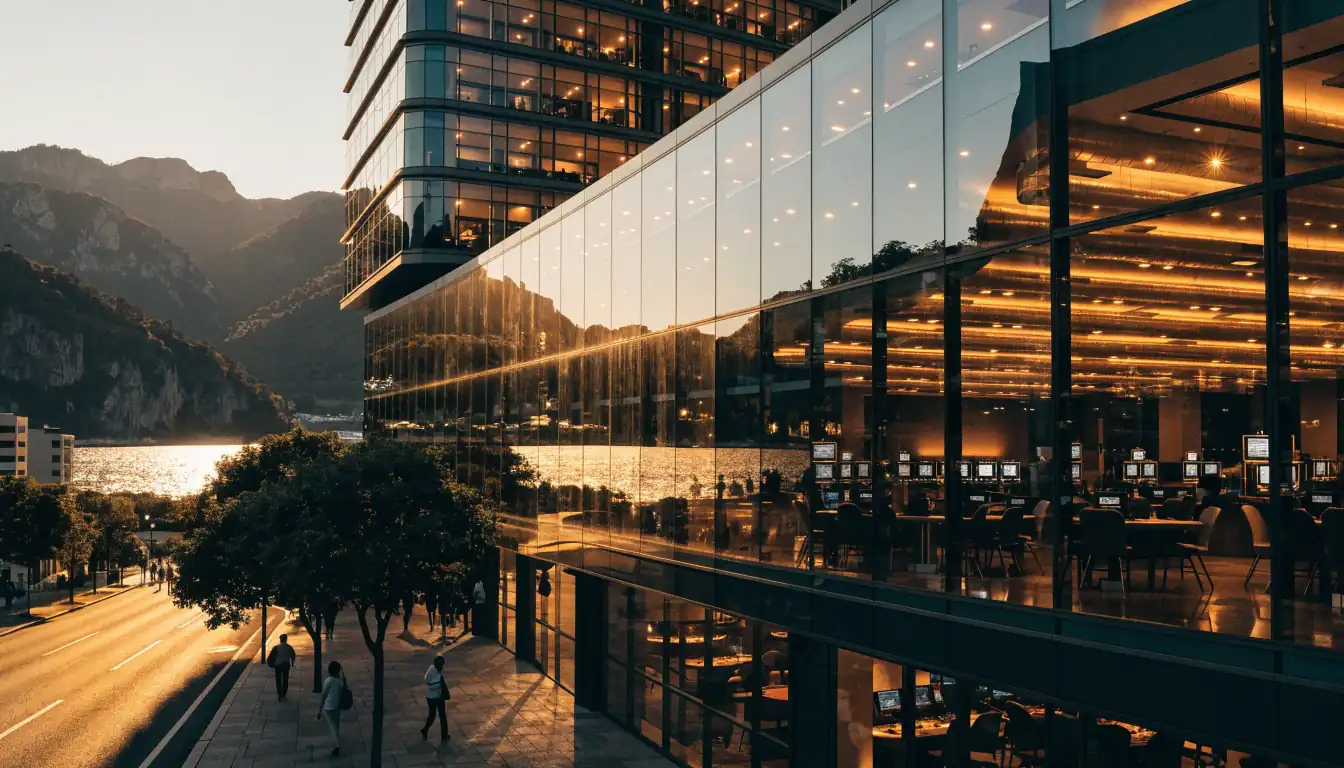
Every big gaming floor eventually asks itself the same question: what do you offer the people who came with a partner who doesn’t gamble, or who need three hours away from the tables before they can think straight again. The answer, in most large Australian venues built on this model, is a day spa tucked somewhere past the escalators, dressed in the same low light and quiet carpet as the rest of the building.
Treatments follow the standard resort-spa menu — massage, facials, some form of hydrotherapy, occasional packages bundled with a hotel stay. None of that is unique to a casino property. What’s unique is the placement: a wellness floor sitting one level above a gaming floor, both run by the same operator, both counted as "leisure revenue" in the same annual report. I’ve sat in those planning meetings. The spa isn’t there because management cares deeply about your cortisol levels. It’s there because a property that only offers gambling loses the non-gambling half of every couple, every corporate group, every family that walks through the door.
That’s not a criticism. It’s just how the arithmetic works, and knowing it changes nothing about whether the massage is good.
What it actually does for visitors
For someone spending a weekend at the property, the spa functions as a pressure valve. It gives a non-playing companion somewhere to be. It gives a player a scheduled reason to step away from a session — which, mechanically, is one of the few structural breaks built into a day of play that isn’t a bathroom trip. Wellness programs at this scale rarely market themselves as harm-reduction tools, and they shouldn’t be mistaken for one. A facial doesn’t address a gambling problem. But a building that gives you somewhere to sit that isn’t in front of a screen or a table does, in a small way, interrupt the loop.
That loop is worth taking seriously. A meaningful share of Australian adults — estimates put it around 80,000 to 160,000 — deal with gambling problems significant enough to affect their lives, and the pattern starts young: close to a third of 12- to 17-year-olds have gambled in some form, and that figure climbs to nearly half among 18- and 19-year-olds once access becomes legal. None of that is spa business. But it’s the backdrop against which every "wellness" amenity on a gaming floor gets built, and pretending otherwise is the kind of omission that shows up in glossy brochures, not in how the building actually operates.
The honest version
Use the spa if you want the spa. Don’t expect it to be your circuit-breaker. That job is yours.
Casino Restaurants and Specialty Eateries
The buffet sells volume. An à-la-carte room at a casino sells the opposite: a table held for you, a menu you read slowly, a bill that reflects it. Victoria’s better properties keep both because the crowd wants both, sometimes on the same night — the buffet before the tables, a proper dinner after a win, or instead of one.
What separates a casino restaurant from a standard one nearby is mostly timing. Kitchens run late, later than most high-street places, because the floor stays open and someone always wants a steak at an hour when regular restaurants have long since sent the last order. That’s the actual value proposition, more than the menu itself.
Themed dining, minus the theatrics
"Themed" gets used loosely in casino marketing — put a chandelier over a grill and call it "signature." What it usually means in practice is a room built around one cuisine or one format done properly: a steakhouse with its own char, an Asian kitchen with a wok station visible from the tables, an Italian room that does pasta to order rather than holding it under lamps. The venues worth the walk are the ones where the "specialty" claim survives contact with an actual plate — where the kitchen has clearly chosen to do fewer things and do them consistently, rather than stretching one kitchen across five concepts with a different tablecloth in each room.
A rooftop bar, where the property has one, sits slightly outside this category — it’s drinks-led, views-led, food secondary and usually shared plates rather than full courses. Worth knowing about before you book, so you’re not expecting a sit-down dinner from a space built for cocktails at sunset.
Booking and pricing patterns
A few things hold across most à-la-carte rooms in casino resorts:
- Reservations matter more on weekends and around major events on the gaming floor — walk-ins get seated, but slower.
- Dress codes tend to be lightly enforced rather than posted anywhere obvious; smart-casual covers most rooms.
- Loyalty program members from the casino floor often get priority seating or a small discount at these restaurants specifically, separate from any buffet perk.
None of this is published pricing, and I’m not going to invent numbers where the operator hasn’t posted them. What’s consistent is the positioning — these rooms are priced and staffed like destination restaurants, not like an amenity thrown in to keep gamblers on-site.
Worth noting, if only as context for how much money moves through this industry: Australia’s largest superannuation funds held stakes worth billions in publicly listed igaming companies by mid-2026. The hospitality side — restaurants, bars, the whole non-gaming footprint — is part of what that capital is ultimately backing. It explains why the dining rooms at the top end feel funded rather than tolerated.
Food Courts and Poolside Refreshments
Not every visit calls for a booked table and a set menu. Sometimes what’s wanted is a quick plate, eaten standing up, before heading back to whatever brought a person to Victoria in the first place — a gaming floor, a shopping strip, a river walk. That’s the gap food courts fill, and they fill it deliberately: no reservations, no dress code, no waiting on a course to finish before the next one starts.
The offering runs to the familiar formats — noodle counters, burger stalls, coffee windows, a bakery or two. It’s built for turnover, not lingering. Compare that to the buffet setup covered earlier, which trades speed for volume and variety under one roof, or the à la carte rooms next door, which trade speed for service and presentation. Food courts trade both for convenience. That’s the whole pitch, and it’s a fair one.
Poolside service works on the same logic, scaled down further. Snack bars near the pool deal in the basics — cold drinks, light bites, something that survives being eaten in a swimsuit. It’s not trying to be a restaurant, and treating it like one misses the point.
None of this touches the gaming side of the property. Table games and pokies sit under their own rules — online versions of the same games remain prohibited under the Interactive Gambling Act 2001, a detail worth keeping in mind even while queuing for a sandwich. Food courts and pool bars are simply the practical stopgap between one activity and the next.
Are crypto casinos legal in Australia in 2026?
No — it is illegal to offer online casino gambling of any kind in Australia, and no domestic licence for an online casino can be obtained. However, it is not illegal for individual Australians to play at offshore-licensed online casinos, since the law targets operators, not players.
What law governs online gambling in Australia?
The Interactive Gambling Act 2001 (IGA) is the primary Commonwealth law, enforced by the Australian Communications and Media Authority (ACMA). There is no single overarching statute or gambling authority — regulation is shared between federal and state/territory levels, with the Northern Territory Racing Commission acting as the de-facto online gambling regulator.
Is online gambling legal in Australia?
Partly. Online sports betting is legal under state or territory licences, but online casino games, poker and in-play betting are prohibited federally under the Interactive Gambling Act 2001. Individual players are not penalised — the law targets operators, not players.
Are casino winnings taxed in Australia?
No — gambling winnings are not taxed in Australia. This applies nationwide, not just in Victoria.